
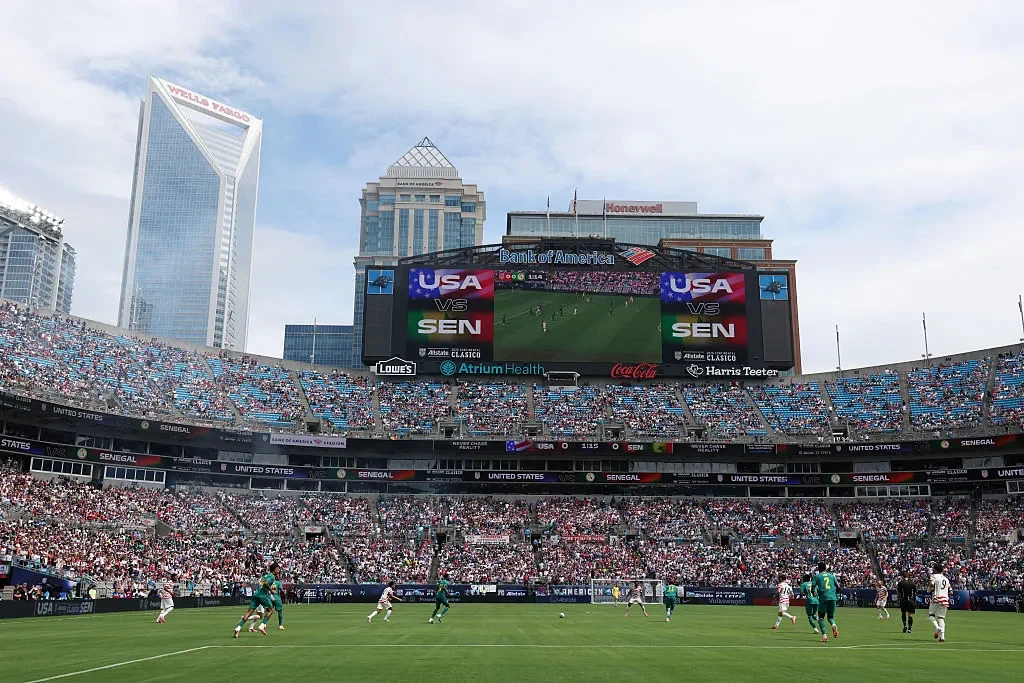
As the FIFA World Cup prepares to return to North America, the tournament looks set to meet a U.S. audience that is more engaged with soccer than it was four years ago. The fact that matches will be hosted on home soil is likely to raise the profile of the event, but YouGov data suggests the sport’s rise in the U.S. has been in progress for several months.
Soccer’s popularity in the U.S.: A sport on the rise
Since mid-2022 – before the start of the FIFA World Cup 2022 in Qatar – the share of Americans who say they actively follow football has increased from 8% to 12%. These figures are based on a quarterly average of YouGov Global Fan Profiles data. Among 18-34-year-olds, the rise has been even more pronounced, climbing from 13% in the third quarter of 2022 to 22% as of the first quarter of 2026 – it peaked at 30% in early 2025. By contrast, interest among Americans aged 55 and over has remained largely flat at around 4-5%, underlining the extent to which soccer’s U.S. momentum is being driven by younger consumers.
Over the past 12 months, an average of 12% of Americans have described themselves as avid soccer watchers. Among 18-to-34-year-olds, that figure sits at 23%, making soccer one of only two major sports, alongside basketball, that is more popular among younger adults than it is among the general population.
That youth skew gives soccer a valuable position in the U.S. sports market, particularly for brands looking to reach consumers whose media habits, viewing preferences, and sponsorship expectations may differ from older sports audiences.
Who are America’s soccer fans in 2026?
Looking at composition of the audience gives more insight into the degree of the youthfulness of the soccer fandom in the U.S.
More than half of avid soccer watchers in the U.S. are aged 18 to 34, compared with 30% of the general population. Another 30% are aged 35 to 54, while just 14% are over 55.
The audience skews heavily male, with men making up 67% of soccer fans and women accounting for 33%.
From an income perspective, soccer fans are more likely than the general population to sit in the middle-income bracket, with 51% of fans falling into this group compared with 41% of all Americans.
For marketers, these demographic patterns matter. Soccer’s U.S. audience is not yet as broad as some longer-established American sports, but it offers concentration in segments that many brands actively want to reach: younger adults, male consumers, and middle-income households.
FIFA World Cup interest in the U.S. is stronger than it was in 2022
Interest in the FIFA World Cup itself has also strengthened. YouGov SportsIndex, which tracks dozens of domestic and global sports properties in the U.S., shows that the share of Americans who say they are likely to give up time to follow or support the FIFA World Cup has nearly doubled compared with the period before the 2022 edition. As of May 12, 2026, 30 days before kick-off, 14.4% of Americans said they would give up time to follow the event, up from 7.6% in the lead-up to the previous tournament.
The trend shown in the SportsIndex chart is not a straight line. Interest rose after the 2022 World Cup, fluctuated through 2024 and 2025, and then has climbed again with the 2026 event on the horizon. The broader pattern is clear: the FIFA World Cup now occupies a more prominent place in the U.S. sports landscape than it did four years ago.
That creates a different commercial backdrop for 2026. In previous cycles, brands may have treated the FIFA World Cup in the U.S. as a major global event with a relatively niche domestic fanbase. This time, the tournament arrives with a stronger base of U.S. interest, a younger fan profile, and the added advantage of local hosting.
Research from YouGov’s FIFA World Cup 2026 global brand handbook shows that nearly four in ten (40%) U.S. World Cup followers actively notice tournament sponsors, while 21% say sponsorship has influenced them to purchase or try a brand for the first time. Together, these factors could turn the World Cup from a short-term sports moment into a wider opportunity for brands to build relevance with an audience that is already becoming more engaged with soccer.
Methodology:
YouGov SportsIndex collects data on every major sporting event. Positive Satisfaction score is based on the question: “Which of the following sporting events/leagues are you LIKELY to give up time to follow or support as they take place?” and delivered as a percentage. Scores are based on a 12-week moving average between October 2022 to May 2022. The sample size of all US adults is an average of 4545.
YouGov Global Fan Profiles tracks the size, make-up, attitudes and behaviours of fan bases in dozens of markets around the world. Discover everything you need to know about fan bases globally. Learn more about Global Fan Profiles.