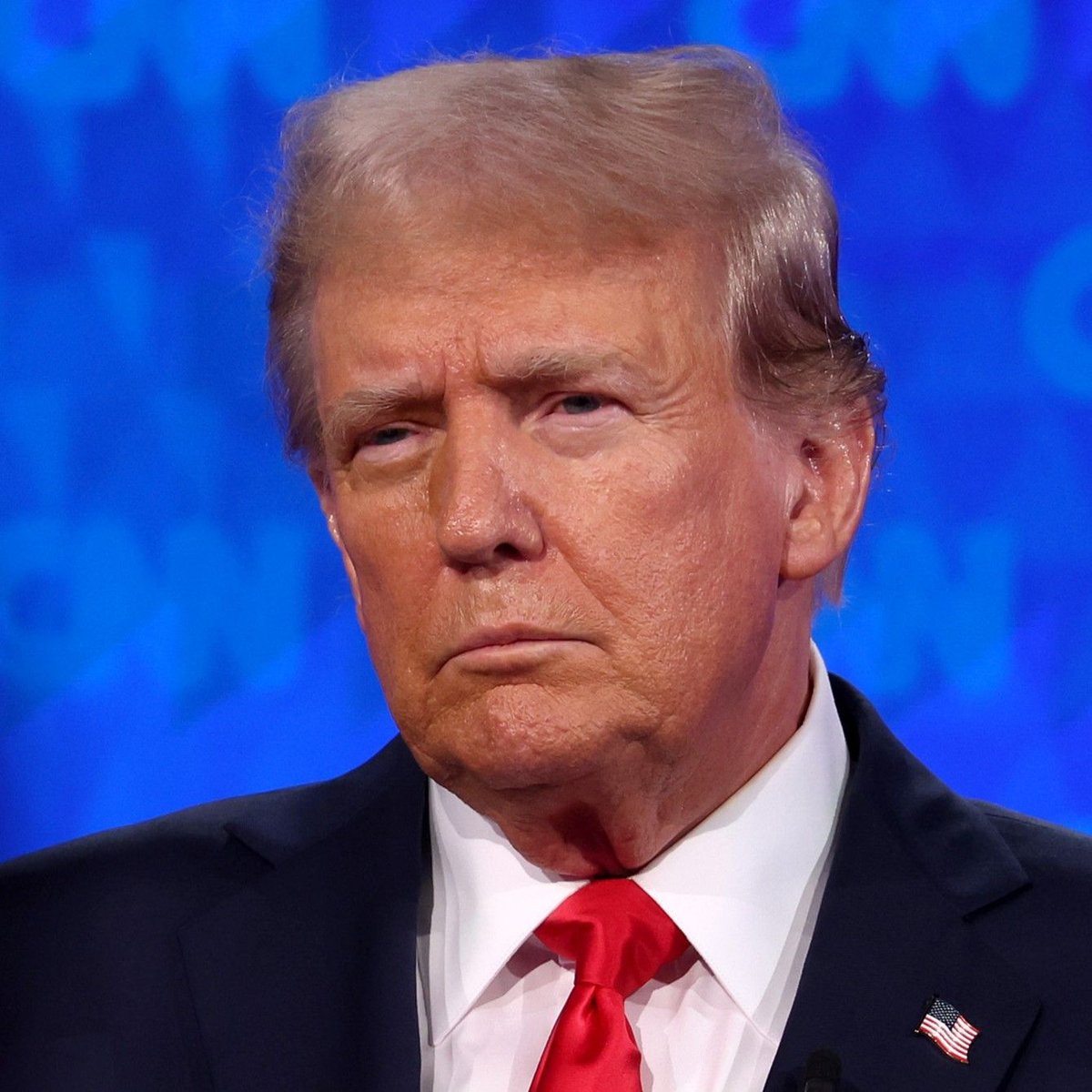
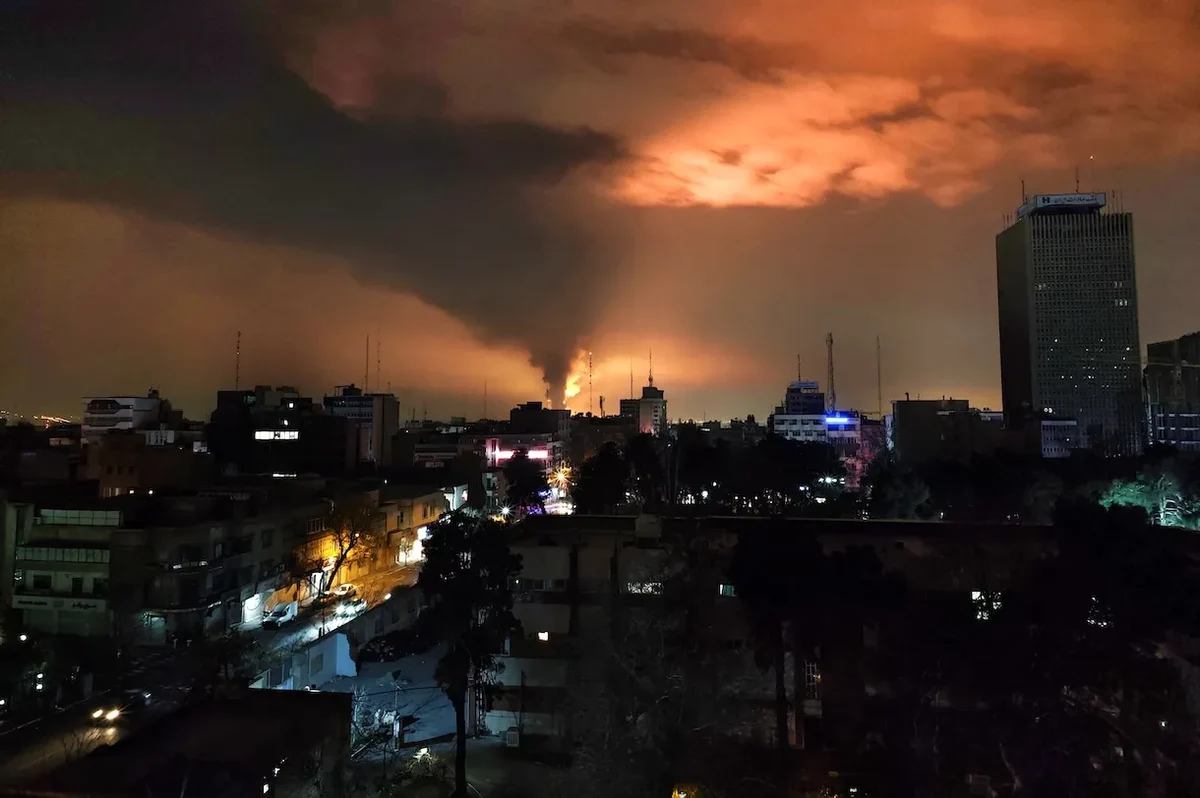
One of the most unifying aspects of the ongoing war in Iran, according to the latest Yahoo/YouGov poll, is the degree to which Americans across the political spectrum are concerned that the U.S. is getting too involved in the conflict.
The survey, conducted from March 12 to 16, finds that three out of four U.S. adults are somewhat or very concerned about "the U.S. getting too involved in Iran" (75%) and slightly more are that concerned "about terror attacks on the U.S. as a result of the U.S. military action" (79%). Nearly half of Americans say they are very concerned about each (43% about getting too involved, 40% about terror attacks).
These concerns are far more acute among Democrats, but even among Republicans, 56% are at least somewhat concerned about getting too involved in Iran and 74% are at least somewhat concerned about terror attacks.
Even more Americans consider risks to U.S. troops and gas prices to be likely. At least 80% see it as somewhat or very likely that "more U.S. troops in the Middle East will be killed or injured" (82%) or that "U.S. gas prices will continue to increase because of the conflict" (80%). Roughly two-thirds are similarly concerned about each of the following: that "the U.S will send ground troops into Iran" (68%) and that "Iranians will launch terror attacks on the U.S." (65%). Majorities across the political spectrum, including Republicans, share these worries.
Conversely, relatively few Americans see two promised benefits of the war as at least somewhat likely, namely that "the Iranian people will overthrow the Iranian government" (38%) and that "Iran's nuclear program will end forever" (28%).
(Yahoo News has reported separately on results from the same survey on the impact of the ongoing conflict on perceptions of rising gas prices and on President Trump’s job approval ratings).
Our survey also shows far more opposition than support for the ongoing military action. While there are many different ways to ask about support or opposition for the Iran war, our survey shows nearly identical opinions concerning both the ongoing conflict and the decision to take military action, which in turn mirror Trump's approval rating on Iran:
- 35% favor, 49% oppose, and 16% are unsure about "the current U.S. military action against Iran."
- 34% say the U.S. made the right decision to "take military action against Iran," 49% said it was the wrong decision, and 17% are unsure.
- 36% approve of the job President Trump is doing on Iran, 55% disapprove, and 9% are not sure.
All three questions show the same underlying partisan patterns. On support for the current military action, Democrats are overwhelmingly (82%) opposed, Republicans are not quite as overwhelmingly (73%) in favor, while Independents are opposed by about a two-to-one margin (26% favor, 53% oppose). Similarly, 82% of Harris voters oppose the war while 66% of Trump voters support it. The numbers within these subgroups for whether military action was the right or wrong decision are nearly identical.
The war is creating a potentially critical cleavage among 2024 Trump voters: 23% oppose military action, 26% thought it was the wrong decision, and 24% disapprove of the job Trump is doing on Iran.
A variety of other general questions asked on this survey about the military conflict produce very similar results regardless of the different nuances, always showing more opposition than support, with support never rising above 35%:
- 49% say it will do more harm than good for the United States, 28% say it will do more good than harm, and 23% are unsure.
- The numbers are identical for the war's effect on the Middle East: 49% say it will do more harm than good for the Middle East, 28% say it will do more good than harm, and 23% are unsure.
- 50% say it will make the U.S. less safe, 29% say more safe, and 22% are unsure.
- 44% say it is making Iran more of a threat, 34% say less of a threat, and 22% are unsure
- 35% say that in the long run it will make the Middle East less peaceful, 24% say more peaceful, 21% say it will not be different, and 19% are unsure.
Very few Americans (13%) expect a quick — "in the next month or so" — end to the war, while 35% expect it to last more than a month but less than a year, and 25% for a year or more; 27% are simply unsure.
More specific questions about Trump's actions regarding the Iran conflict correlate strongly with more general ratings of his handling of it, but several such questions highlight how Trump has failed to communicate clearly about the reasons for the conflict or the path toward resolution:
- Just 32% say that, yes, Trump has "clearly explained why the U.S. has taken military action against Iran," while 52% say no and 17% are not sure.
- Just 31% say that, yes, Trump "has a plan for successfully ending conflict," while 51% say no and 18% are not sure.
The perceived absence of explanation translates to a lack of credibility. Although many are uncertain about specific facts, relatively few Americans accept at face value the claims the President has been making about the conflict:
- 24% say Trump's claim that war will be "over pretty quickly" is true while 52% say it is untrue. (This is the only claim that respondents were told was made by Trump.)
- 33% say "Iran posed an imminent threat to the U.S. before the U.S took military action," 45% say it did not, and 22% are not sure.
- 24% believe Iran "was a month away from developing a nuclear weapon," 36% do not, and 40% are not sure.
- 22% believe "Israel was about to attack Iran, and Iran would have immediately retaliated by attacking the U.S.," 37% do not, and 40% are not sure.
- 35% believe "Iran was about to develop long-range missiles that could reach the U.S.," 33% do not, and 32% are not sure.
Similarly, looking back, only 17% believe Trump's relatively recent claims, attributed to him, that the 2025 airstrikes “completely and totally obliterated" Iran's nuclear facilities, 56% do not, and 27% are not sure.
Most also implicitly reject the Trump administration claim that the conflict is not a "war," with 72% answering yes to the question, "Are we at war with Iran?" Only 9% answer no and 18% are not sure.
The survey also finds that many are surprised by the extent of Trump's military actions so far during his second term. Two-thirds (66%) say that Trump has been more willing to use military force during his second term than they expected, a group that includes 58% of Republicans and 62% of Trump voters. About half of Americans (52%) say Trump has been "too willing" to use military force in his second term, including 18% of Republicans and 27% of 2024 Trump voters.
Consistent with that result is far more Americans saying Trump has "done more to start wars" in his second term (56%) than to "stop wars" (25%). Accordingly, only 25% now favor Trump winning the Nobel Prize (59% are opposed), down from 29% in September 2025 (when 56% were opposed).
See the toplines and crosstabs for the March 12 - 16, 2026 Yahoo/YouGov Poll
Methodology: The Yahoo! News survey was conducted by YouGov using a nationally representative sample of 1,699 U.S. adults interviewed online between March 12 - 16, 2026. The sample was weighted according to gender, age, race, education, 2024 election turnout and Presidential vote, party identification, and current voter registration status. Demographic weighting targets come from the 2019 American Community Survey. Party identification is weighted to the estimated distribution at the time of the election (31% Democratic, 33% Republican). Respondents were selected from YouGov’s opt-in panel to be representative of all U.S. adults. The margin of error for the overall sample is approximately 3.5 points.
Image: Getty
What do you really think about President Trump, American politics in general, and everything else? Share your reality, join the YouGov panel, and get paid to share your thoughts. Sign up here.