A majority of Americans support making the use of marijuana legal in the U.S., according to a new YouGov poll. An overwhelming majority of Americans support legalizing the use of marijuana for medical purposes, and more than half support legalizing recreational use, too. Americans between the ages of 45 and 64 are more supportive of marijuana legalization in general than are younger and older adults. Americans in this age group also are most likely to have experience using marijuana and most likely to know someone who currently uses marijuana. Americans who have used marijuana or who know someone who has used it are more likely to say marijuana makes people's lives better and more likely to support legalization.
A majority (59%) of Americans somewhat or strongly support making the use of marijuana legal in the U.S. About half as many (28%) oppose legalization. Support is highest among Democrats — 75% vs. 15% who oppose legalization — but Independents and Republicans are also more likely to support than oppose legalization: 54% vs. 26% among Independents and 50% vs. 43% among Republicans. Results on support for marijuana legalization can vary by how the question is worded; an Economist/YouGov Poll earlier this month asked slightly differently and found similar support among Democrats and Independents but only 35% among Republicans.
Nearly two-thirds (63%) of Americans between the ages of 45 and 64 support legalization while about one-quarter (24%) oppose it. This is a higher level of support than among adults under 30 (58% vs. 24%), between 30 and 44 (55% vs. 29%), and 65 or older (57% vs. 37%).
The overwhelming majority (84%) of Americans support making the use of marijuana for medical purposes legal. Large majorities of Democrats (91%), Independents (81%), and Republicans (81%) support legal medical marijuana. And while large majorities in all age groups support legalizing medical marijuana, older Americans are more supportive than younger adults: 89% of Americans 65 and older support medical marijuana, as do 87% of those ages 45 to 64, larger than the shares of 30- to 44-year-olds (77%) and adults under 30 (80%) who support legalization.
Legalizing marijuana for recreational purposes also draws majority support among Americans, though the share who support it (55%) is much smaller than for medical marijuana. There are greater differences in support for recreational marijuana by political party identification. Most Democrats (70%) support legalizing recreational marijuana, but smaller shares of Independents (52%) and Republicans (46%) support it.
Why are Americans ages 45 to 64 more likely to support marijuana legalization? Part of the explanation may be that members of this group — which we'll call middle-aged, though you can also think of it as largely Gen X — are most likely to have used marijuana and most likely to know marijuana users.
Most Americans know someone who has used marijuana. Nearly half have tried it themselves
41% of Americans say they have used marijuana for recreational purposes. 13% say they currently use it while 28% say they have only used it in the past. Adults under 30 are significantly less likely than older Americans to say they have used marijuana recreationally: 70% of adults under 30 say they have never used marijuana recreationally, while only about half of older Americans say they have never used it.
About two-thirds (65%) of Americans say they know someone who has used marijuana recreationally besides themselves. 41% know a current recreational marijuana user, while 24% only know someone who used it in the past. Older Americans are much more likely to know someone who has used marijuana than younger Americans. About three-quarters of Americans 45 and older say they know someone who has used marijuana recreationally, while 61% of those ages 30 to 44 and 42% of adults under 30 say the same. Half (50%) of Americans ages 45 to 64 know a current recreational marijuana user, the highest level of any age group.
Far fewer Americans say they have used marijuana for medical purposes than for recreational purposes. One in five Americans (20%) say they have used medical marijuana; nearly half (44%) say they have used marijuana either for recreation, for medical purposes, or both. Nonetheless, older Americans are more likely than younger adults to say they have used medical marijuana. About one-quarter (24%) of Americans ages 45 to 64 say they have used medical marijuana, while half that share (12%) of adults under 30 say they have used it.
Americans are much more likely to say they know someone who has used medical marijuana than to say they've used it themselves. Nearly half (45%) of Americans say they know someone who has used medical marijuana. Older Americans are again more likely than younger Americans to know someone who has used medical marijuana. A majority (57%) of Americans ages 45 to 64 know someone who has used it.
Americans who have used marijuana or who know marijuana users are more likely to support legalization
Experience with marijuana — either in the form of personal use or knowing someone who has used marijuana — is associated with increased support for marijuana legalization. The overwhelming majority (83%) of Americans who say they currently use marijuana recreationally or have used it in the past somewhat or strongly support making the use of marijuana legal. Only 11% oppose it. Legalization also receives majority support (53%) from Americans who say they haven't personally used marijuana recreationally but know someone who has, while 40% of this group oppose it — which makes this group less supportive than Americans overall.
Experience with medical marijuana is even more positively associated with support for legalization. Almost all Americans who say they have personally used marijuana for medical purposes support making marijuana use legal (90% vs. 8% who oppose it). Most Americans who say they know someone who has used medical marijuana also support legalization (65% vs. 26% who oppose it).
In contrast, Americans who say they have never used marijuana either recreationally or medically and don't know anyone who has are more likely to oppose legalization than to support it (46% vs. 32%). About one in six Americans (17%) say they have not used marijuana and don't know anyone who has.
Why is experience with marijuana associated with support for legalization? One possible explanation is that Americans who have personal experience with marijuana are more likely to say that it makes life better for people who use it. About one-quarter (27%) of Americans say that recreational marijuana generally makes life somewhat or much better for people who use it, while 31% say it makes users' lives worse. But half (49%) of Americans who say they have used recreational marijuana say it makes people's lives better, compared to only 13% who say it makes life worse. And while most Americans (69%) say medical marijuana makes users' lives better, almost all Americans who have used it (94%) say this. That suggests that most people who say they have used marijuana have had positive experiences, but it doesn't necessarily mean that if everyone tried marijuana, they would view it more favorably. It's possible that beliefs about marijuana determine who uses it, rather than experiences with marijuana shaping beliefs. In other words, people who believe marijuana has positive effects may be more willing to try it than those who have concerns about negative effects.
For those who don't have personal experience, knowing someone who has used medical marijuana also increases the likelihood of saying it makes users' lives better: 85% of Americans who know a current or past medical marijuana user say it makes people's lives better, compared to only 50% of Americans who don't know anyone who has used it. This effect is much weaker for recreational marijuana: 15% of Americans who know someone who has used recreational marijuana say it makes users' lives better, compared to 7% of Americans who don't know anyone who has used it. Both groups are much more likely to say it makes users' lives worse (46% and 45%, respectively).
— Carl Bialik contributed to this article
Related articles:
- Most Americans have tried marijuana and 60% want it legalized
- Most Americans believe marijuana is safer than alcohol and tobacco
- Most Americans approve of Biden's pardons of federal convictions for marijuana possession
- Most Americans say marijuana is safe, can have health benefits, and should be legal
- Half of Americans have tried marijuana and most say their experiences were positive
- One-third of Americans say they have smoked marijuana
- Which marijuana products are Americans interested in trying?
- Six in 10 Americans would legalize marijuana nationally
- States with recreational marijuana laws view the legislation as a success
Methodology: This YouGov poll was conducted online on April 14 - 16, 2026, among 1,105 U.S. adult citizens. Respondents were selected from YouGov’s opt-in panel to be representative of adult U.S. citizens. The sample was weighted according to gender, age, race, education, region, 2024 presidential vote, 2020 election turnout and presidential vote, baseline party identification, and current voter registration status. Demographic weighting targets come from the 2019 American Community Survey. 2024 presidential vote, at time of weighting, was estimated to be 48% Harris and 50% Trump. Baseline party identification is the respondent’s most recent answer given around November 8, 2024, and is weighted to the estimated distribution at that time (31% Democratic, 33% Republican). The margin of error for the overall sample is approximately 4 points.
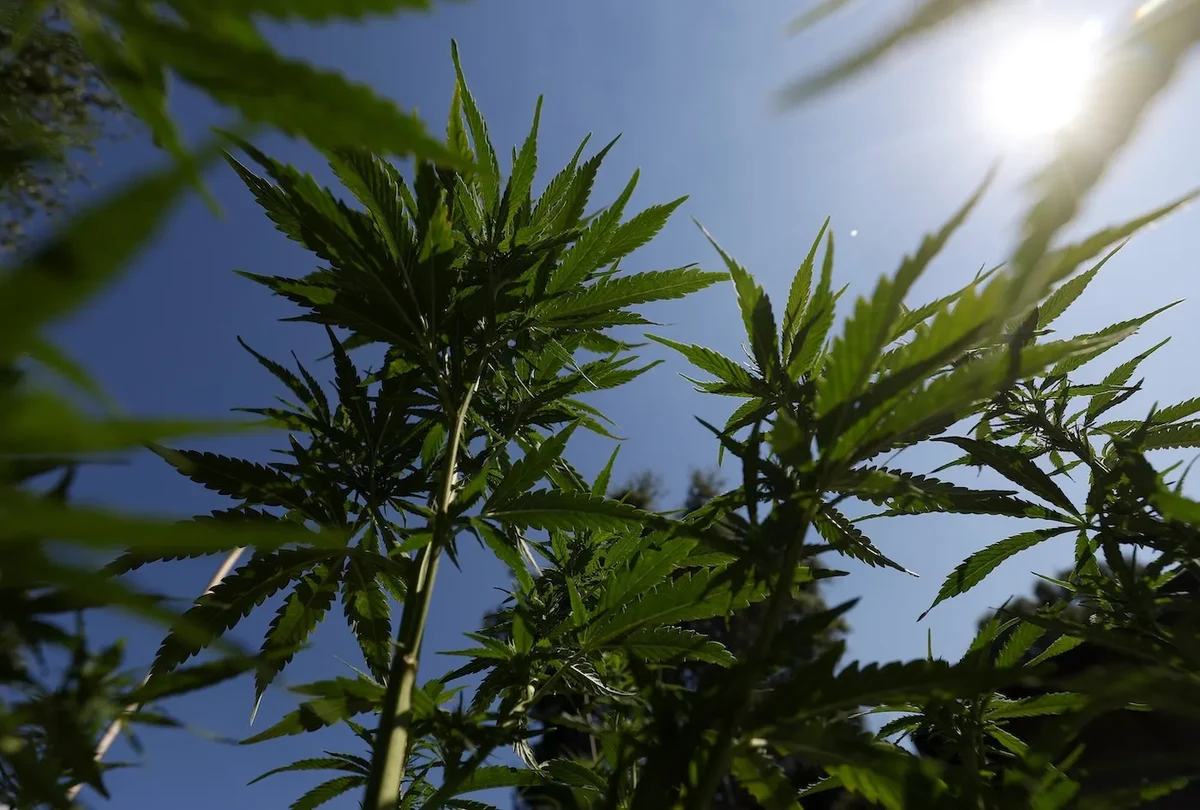
Image: Getty (Justin Sullivan / Staff)
What do you really think about President Trump, American politics in general, and everything else? Share your reality, join the YouGov panel, and get paid to share your thoughts. Sign up here.