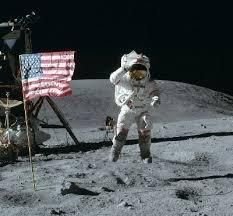
This month, NASA's Artemis II mission flew a crew of astronauts around the moon, the first such mission since 1972.
A YouGov poll finds almost all Americans say they've heard about the space voyage, including 47% who say they heard a lot about it and 40% who heard a little.
That's less than heard a lot about some of the year's biggest news events, including military operations against Iran and Venezuela, or the shooting deaths of U.S. citizens by ICE and Border Patrol agents in Minneapolis. But the story has penetrated public consciousness more than other news stories, such as the Trump administration's budget, the weight loss drug semaglutide, or — in particular — "the concept of looksmaxxing."
Most Americans view the moon mission positively. 34% say they love the moon voyage, and another 24% say they like it. Only 6% dislike or hate the voyage, and 28% say they're neutral.
Men and college graduates are more likely to say they like or love the mission than are women or non-college graduates.
Similar demographic divides can be seen when Americans are asked more generally about whether space missions are a good use of taxpayer money. Overall, 48% of Americans say they are, and 30% say they are not. But men support spending on space missions by a margin of greater than two to one (57% vs. 23%), while women are evenly divided (39% vs. 36%). And while college graduates say space missions are a good use of money (54% vs. 25%), non-graduates are more closely split (44% vs. 32%).
Majorities of both liberals and conservatives say space missions are a good use of taxpayer money (54% of liberals and 57% of conservatives say this), while only 42% of moderates agree.
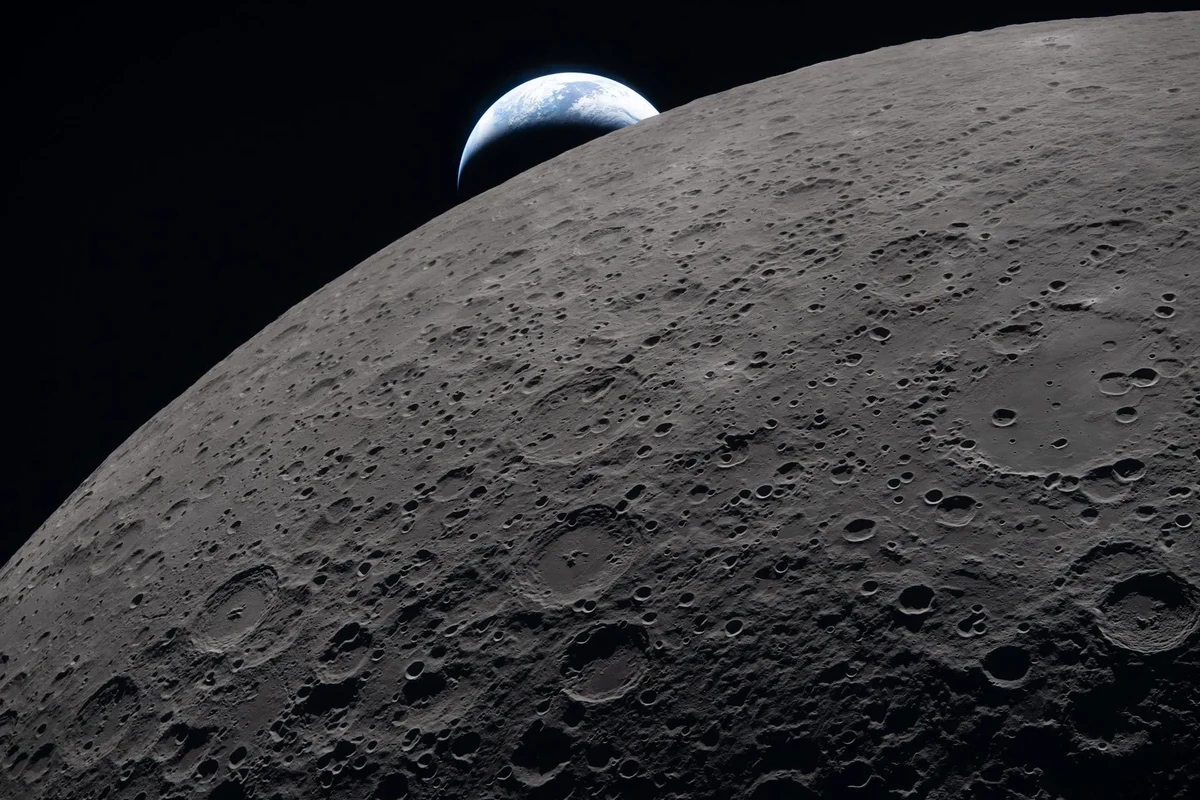
YouGov showed a randomly selected 50% of respondents three space photos from the Artemis II mission. Most people see the photos positively: Between 69% and 81% say they like or love each photo, while almost no one dislikes any of them. 61% love or like all three.
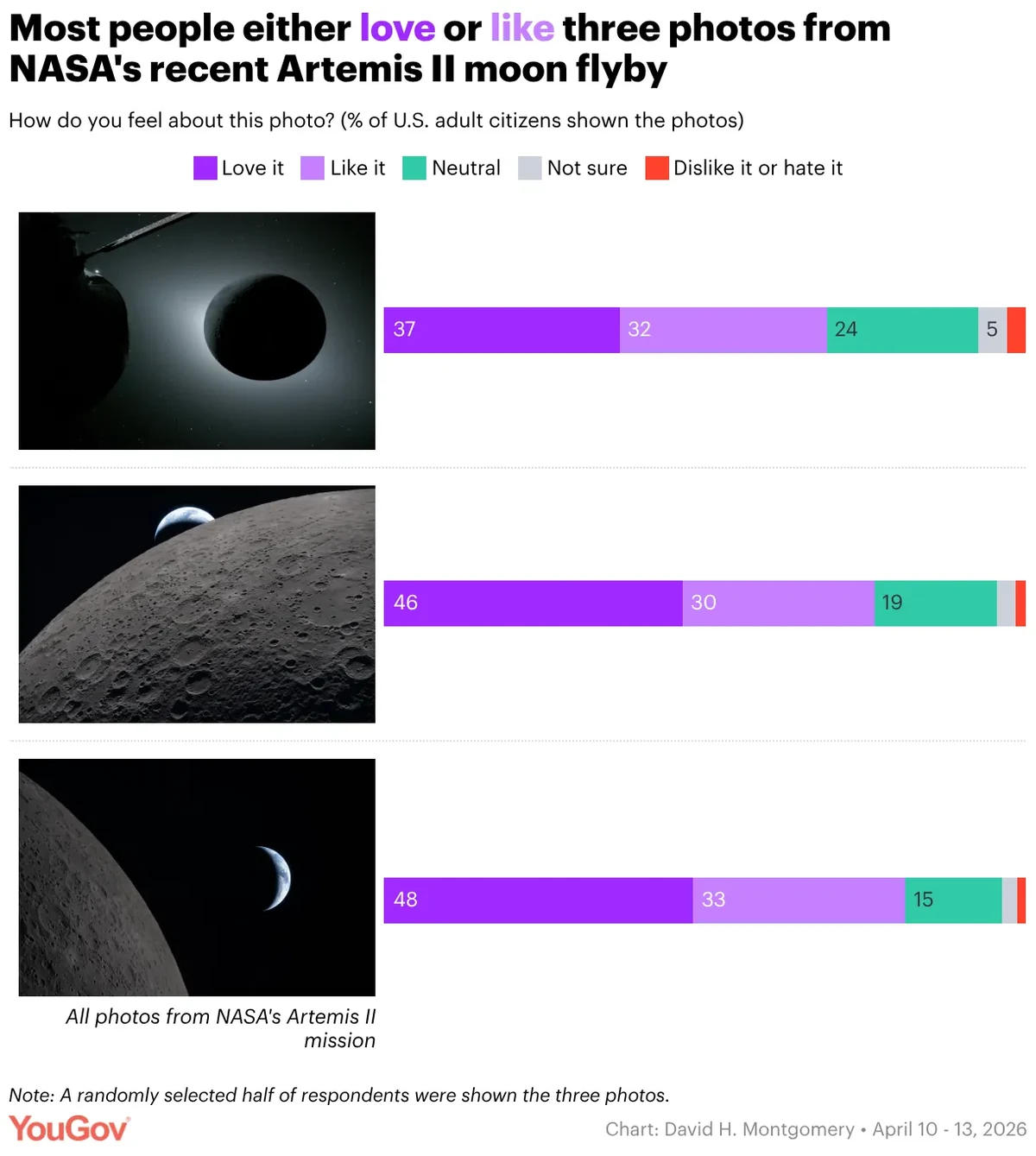
Even though respondents who were shown the moon photos generally liked them, seeing them had no effect on views of space missions as a good use of taxpayer money or a positive influence on society. For example, after seeing the photos, 48% say space missions are a good use of taxpayer money and 30% say they aren't; among those not seeing the photos, the split is 47% and 30%.
There is, however, a split in how Americans feel about the space photos based on their views of the space program. Those who say space missions have a positive effect on society or that they're a good use of taxpayer money — based on questions asked after the randomly selected half of respondents saw the space photos — are much more likely to say they like or love each of the three photos.
For example, among those shown the photos, overall 48% love and 33% like the photo "The Edge of Two Worlds." But among those who later said space missions are a good use of taxpayer money, 65% love the photo and 28% like it, with 5% neutral about it. Among those who say space missions aren't a good use of taxpayer money, only 22% love the photo, 39% like it, and 32% say they're neutral about it.
Methodology: The April 10 - 13, 2026 poll was conducted among 1,098 U.S. adult citizens. Respondents were selected from YouGov’s opt-in panel to be representative of U.S. adult citizens. A random sample (stratified by gender, age, race, education, geographic region, and voter registration) was selected from the 2019 American Community Survey. The sample was weighted according to gender, age, race, education, U.S. region, 2024 presidential vote, 2020 election turnout and presidential vote, baseline party identification, and current voter registration status. 2024 presidential vote, at time of weighting, was estimated to be 48% Harris and 50% Trump. Demographic weighting targets come from the 2019 American Community Survey. Baseline party identification is the respondent’s most recent answer given around November 8, 2024, and is weighted to the estimated distribution at that time (31% Democratic, 33% Republican). The margin of error for the overall sample is approximately 4%.
Image: NASA
What do you think about the election, American politics in general, and everything else? Have your say, join the YouGov panel, and get paid to share your thoughts. Sign up here.