Key findings:
- 24% of Americans say nominations make them more likely to see a film in cinemas, while a similar share say the same of films that win an Oscar.
- 20% of Americans say they typically watch the Oscars live or later, with many more following highlights, clips, or coverage instead.
- Many Americans see Oscar films as critic-led: 57% say Oscar-recognised films appeal more to critics than general audiences, the most widely shared perception tested.
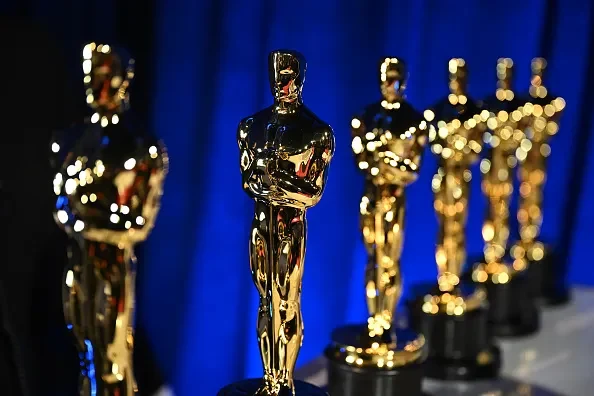
The Academy Awards are one of Hollywood’s most recognisable cultural events. As the 98th Academy Awards approach in 2026, films such as Sinners, Hamnet, and Marty Supreme are among those shaping awards-season conversations and drawing attention from critics and audiences alike.
But while the Oscars continue to dominate film-industry headlines, their influence on audiences is more nuanced. New data from YouGov Surveys: Self-serve, polling 1,007 U.S. adults, shows that while the awards enjoy widespread recognition, comparatively fewer Americans actively follow the ceremony or its nominees.
But do Americans care about whether a film is nominated or if it wins an Oscar, and does it drive people to go and view in cinema?
Awareness of the Oscars is widespread, but active following is limited
Most Americans are at least somewhat familiar with the Academy Awards. In the survey, over half (52%) of U.S. adults say they are somewhat or very aware of the Oscars, including 12% who say they actively follow nominees, winners, or the ceremony.
However, the largest group of Americans falls into the casual observer category: 43% say they have heard of the Oscars but do not really follow them. Only 3% say they are not aware of the Oscars at all.
How Americans usually engage with the Oscars
Watching the Oscars ceremony remains one of the main ways Americans engage with the awards. According to the survey, 20% of U.S. adults say they usually watch the ceremony live or later.
Other forms of engagement are also common. 30% say they typically follow highlights or clips, while 17% follow news coverage or social media discussion about the event. A further 33% say they engage in another way.
One in four Americans say Oscar nominations make them more likely to see a film in cinemas
This analysis distinguishes between two groups:
- Casual observers: Americans who have heard of the Oscars but say they do not really follow them
- Oscar-engaged: Americans who say they are somewhat or very aware of the Oscars
Comparing these audiences reveals how awareness of the awards translates, sometimes unevenly, into engagement and viewing behaviour.
Oscar nominations can influence whether audiences choose to watch a film in cinemas or at home. Among all U.S. adults, 24% say an Oscar nomination would make them more likely to see a film in cinemas. However, 18% say they would actually be less likely to watch a nominated film in cinemas, suggesting that Oscar recognition can be polarising rather than purely promotional.
This divide is even clearer among casual observers, those who have heard of the Oscars but do not really follow them. In this group, only 10% say nominations would make them more likely to see a film in cinemas, while 21% say they would be less likely to do so, indicating that awards recognition may deter some audiences as much as it attracts others.
Among the Oscar-engaged audience, nominations are more likely to have a positive effect. Over a third (36%) say nominations make them more likely to see a film in cinemas, compared with 16% who say they would be less likely.
The influence of nominations is clearer when it comes to watching films at home. Among all U.S. adults, 48% say a nomination would make them more likely to watch a film at home, while only 9% say they would be less likely. This effect is strongest among the Oscar-engaged audience, where 65% say they would be more likely to watch a nominated film at home, compared with 6% who say they would be less likely. Among casual observers, the uplift is more modest: 29% say nominations make them more likely to watch at home, while 11% say they would be less likely, with most saying it would not change their behaviour.
Oscar wins amplify interest to head to the cinema
Winning an Oscar can influence whether audiences choose to see a film in cinemas, but, as with nominations, the effect is not universally positive.
Among all U.S. adults, 24% say a win would make them more likely to see a film in cinemas, while 17% say they would be less likely to do so, again suggesting that Oscar recognition can be somewhat polarising when it comes to cinema viewing.
The divide is most pronounced among casual observers. In this group, 11% say they would be more likely to see a winning film in cinemas, while 21% say they would be less likely.
Among the Oscar-engaged audience, the effect is more positive. 36% say a win would make them more likely to see a film in cinemas, compared with 14% who say they would be less likely, suggesting that awards recognition resonates most strongly with viewers already paying attention to the Oscars.
Oscar wins appear to have a clearer impact on home viewing. Among all U.S. adults, 49% say a win would make them more likely to watch a film at home, while only 9% say they would be less likely.
This effect is strongest among the Oscar-engaged audience, where 66% say a win would make them more likely to watch the film at home, compared with just 5% who say they would be less likely. Among casual observers, the uplift is smaller but still evident, with 30% saying they would be more likely to watch at home, while 12% say they would be less likely.
Americans see Oscar-recognised films as critic-led more than audience-led
Americans hold mixed views about the types of films that tend to be recognised by the Oscars, and opinions differ noticeably between casual observers and the Oscar-engaged audience.
Across all audiences, the strongest point of agreement is that Oscar-recognised films tend to appeal more to critics than to general audiences. A majority of all U.S. adults (57%) agree with this statement, including 62% of the Oscar-engaged audience and 52% of casual observers, making it the most widely shared perception tested in the survey.
By contrast, Americans are more divided on whether Oscar-recognised films are worth paying attention to. While 39% of all adults agree, the figure rises to 54% among the Oscar-engaged audience, compared with 21% among casual observers. However, a large share of respondents (42% overall) neither agree nor disagree with this statement, suggesting that many Americans may not have strong opinions about the value of Oscar-recognised films.
Perceptions also differ when it comes to the tone of Oscar-recognised films. Around 34% of Americans say these films feel more serious than entertaining, with 44% of the Oscar-engaged audience and 23% of casual observers agreeing. At the same time, 40% of Americans neither agree nor disagree, again indicating considerable ambivalence.
Views are similarly mixed on whether Oscar-recognised films are relevant to today’s audiences. Only 30% of Americans agree with this statement overall, rising to 42% among the Oscar-engaged audience, while just 16% of casual observers say the same.
Many Americans feel Oscar-recognised films can be less accessible than other films. About 25% of all adults agree, along with 30% of the Oscar-engaged audience and 19% of casual observers.
The findings suggest that while relatively few Americans actively follow the Oscars, the awards still hold cultural visibility and influence how audiences think about films. Among those who are more engaged with the Oscars, nominations and wins clearly increase the likelihood of watching recognised films, particularly at home.
Methodology:
YouGov polled 1,007 U.S. adults online on February 24, 2026. The survey was carried out through YouGov Surveys: Self-serve. Data is weighted by age, gender, race, political affiliation, education level and region.
Picture credits: Getty Images