
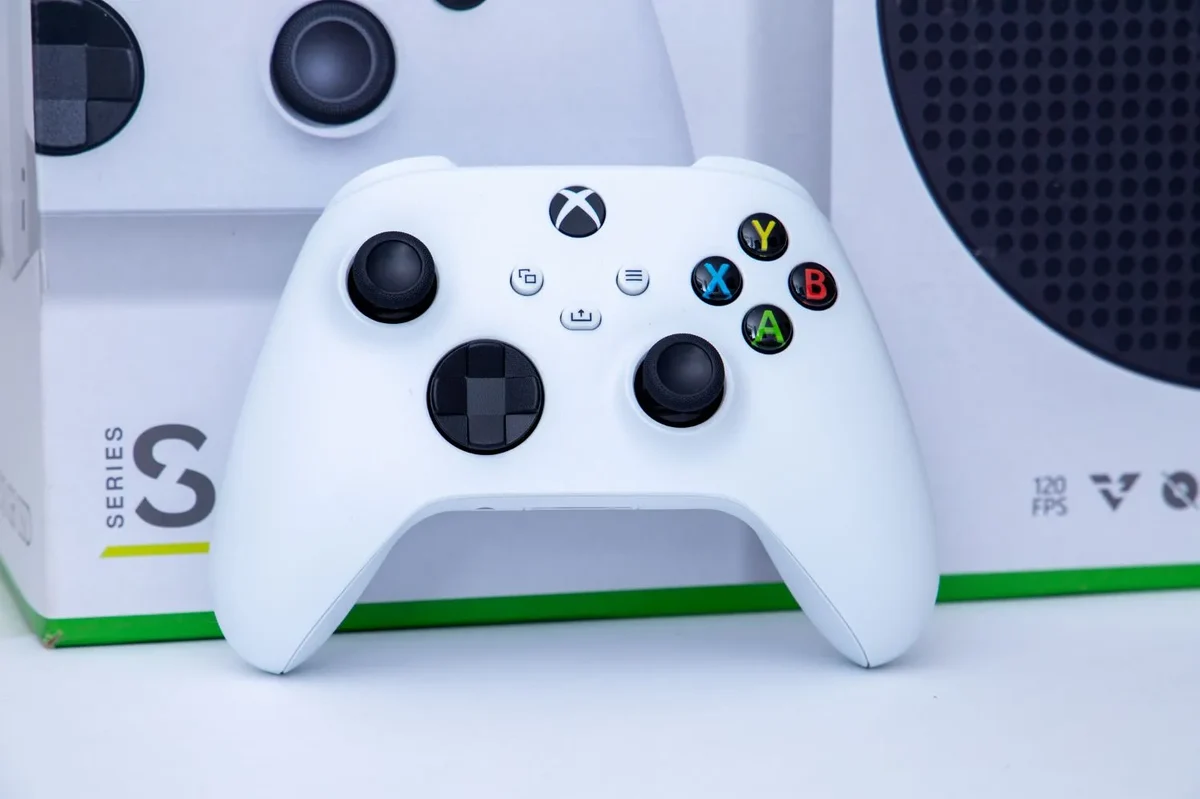
XBOX has had a busy few months. Since Asha Sharma began her role as CEO of Microsoft Gaming on February 20, 2026, the brand has undergone a visible strategic reset, from leadership changes to a renewed emphasis on the XBOX name itself.
The developments that followed have generated plenty of headlines. Sharma has reportedly retired the “This is an XBOX” campaign as part of a broader brand reset, reduced Game Pass prices, and indicated that XBOX is reassessing the role of exclusivity in its first-party strategy. More recently, the brand rebranded to XBOX from Xbox and Microsoft then launched XBOX Player Voice – a portal meant for fan feedback. Sharma has also brought in gaming analyst Matthew Ball as XBOX’s Chief Strategy Officer, alongside other senior leadership changes.
To understand how these strategic shifts might be playing out, we looked at brand perception among U.S. gamers using YouGov BrandIndex data. Gamers are defined here as those who play on PC or console for at least one hour per week.
XBOX’s brand strategy shifts are gaining traction with U.S. gamers
Buzz score, which is a net measure of whether consumers are hearing positive or negative things about a brand, helps us gauge whether XBOX’s recent headlines are landing with this core audience.
Among U.S. gamers, XBOX’s Buzz score has risen sharply since Sharma took over, climbing from 8.5 points on February 20, 2026, to 20 points on May 20. The increase was not entirely linear, but the direction of travel is clear. Buzz moved into double digits by late February, remained elevated through March and April, and reached a high of 21.8 on May 16 before settling slightly lower by May 20.
Gamers are not only hearing more positive things about the brand but also seem to be engaging in the conversation themselves. Word of Mouth (WOM) Exposure, which tracks the percentage of people who have talked about a brand with friends or family in the past two weeks, has risen from 18.5 to 22.1, having peaked at 23.6 on April 7.
XBOX’s brand health perceptions are on the rise among U.S. gamers
The improvement is also visible in XBOX’s broader brand health. Its Index score among U.S. gamers rose from 25.2 on February 20 to 28.3 on May 20. Index is YouGov BrandIndex’s composite measure of overall brand health, reflecting an average of six constituent metrics: Impression, Quality, Value, Satisfaction, Recommend, and Reputation.
Two component metrics help explain the overall Index score movement: Value and Satisfaction.
XBOX’s Value score rose from 17.8 on February 20 to 21.3 on May 20, after reaching a period high of 26.1 on May 5. That improvement may partly reflect the brand’s move to reduce XBOX Game Pass pricing, directly addressing one of the most visible sources of consumer pressure around the platform.
Satisfaction also improved over the period, rising from 17.8 on February 20 to 22.3 on May 20. Like Value, it reached a higher point in early May, peaking at 25.0 on May 5. This suggests that XBOX’s recent moves may not only be reshaping perceptions among potential customers but also improving how existing customers feel about their experience with the brand.
Early signs also suggest XBOX’s reset may be translating into future intent: among U.S. gamers, Consideration rose from 19.7 on February 20 to 23.0 on May 20.
For XBOX, the early signs are encouraging. The brand is being talked about more positively, its value proposition appears stronger, and more PC and console gamers now say they would consider it.
Methodology: YouGov BrandIndex collects data on thousands of brands every day. XBOX’ Buzz score is based on the following questions: Over the past two weeks, which of the following brands have you heard something positive about (whether in the news, through advertising, or talking to friends and family)? / Now which of the following have you heard something negative about over the past two weeks? Scores are reported as a net score. Overall data is weighted using a propensity scoring methodology with targets from the American Community Survey (ACS) to ensure representation by age, gender, race, education, and region. This article looks at a sample of U.S. gamers – defined as those who play video games on PC or Console for at least an hour each week. Figures are shown as a 8-week moving average with an average daily sample size of over 900 U.S. gamers between Feb 01, 2026 to May 20, 2026.