The vast majority of Britons have never heard of the founder of International Women’s Day
Key takeaways
- Awareness of Clara Zetkin, who founded International Women’s Day, is very low
- Public awareness and favourability of the Suffragettes – and their leader Emmeline Pankhurst – is high
- By contrast, awareness of the much larger Suffragist movement and leader Millicent Fawcett is much lower
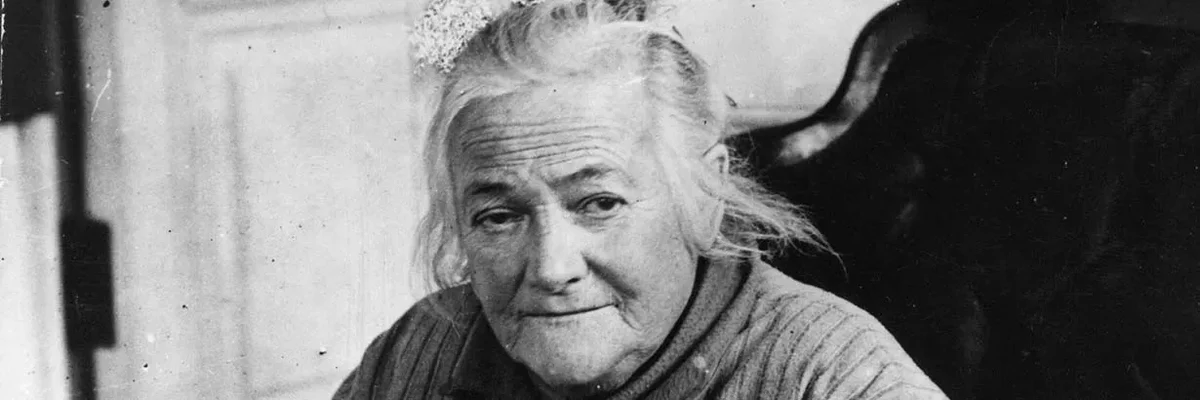
Sunday marks 115 years since the first International Women’s Day in 1911, having been proposed in 1910 by German activist Clara Zetkin. This year’s theme is ‘Give to Gain’, part of which is about celebrating success. With this in mind, new YouGov polling examines favourability of a range of figures who contributed to women’s rights in Britain and across the world.
The results show that awareness of key figures is low among the British public. Despite Clara Zetkin’s role in founding International Women’s Day, almost nine in ten (89%) Britons have never heard of her, with a further 7% saying they don’t know whether they have a favourable or unfavourable opinion of her.
Female figures in the British suffrage campaign
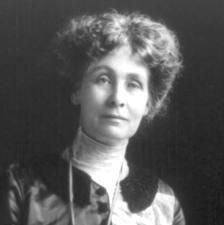
By contrast, British suffragette leader Emmeline Pankhurst is significantly better known, with 78% of the public recognising her name and the majority (65%) having a favourable opinion of her.
However, Pankhurst’s name recognition appears notably lower among younger age groups: while only 6% of Baby Boomers say they have never heard of her, this rises to 20% of Gen X, 34% of Millennials and 37% of Gen Z.
In line with the popularity of their leader, the Suffragettes as a whole are also viewed in a favourable light by the majority of the public, with almost seven in ten (68%) saying they see the Suffragettes favourably.
Even though the non-violent Suffragists had a much larger membership than their militant counterparts, they are significantly less well known by the public, with a majority (56%) of Britons saying they have never heard of this group. Fewer still are aware of Suffragist leader Millicent Fawcett, with 74% saying they have never heard of her.
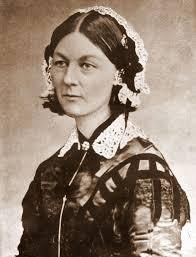
While far more well-known for her contributions to nursing, Florence Nightingale did write a pamphlet in support of women’s suffrage, and her writings on women’s rights have been described as “a major text of English feminism”.
A mere 4% of Britons say they have never heard of Nightingale, with 87% having a favourable view of her.
Between the two very well-known figures – Pankhurst and Nightingale – it is possible to detect a difference in opinion between men and women. While most in both genders have a positive view of both, women are more likely than men to have a “very favourable” view of Nightingale (58% vs 49% among men) and especially Pankhurst (45%, vs 25% among men).
Women are also more likely to have a “very favourable” opinion of the Suffragettes (48%) than men (31%), with men being more likely to have a “neither favourable nor unfavourable” view (18% vs 7%). In all three cases, the number of men with an unfavourable view is not significantly higher than the number of women saying so.
The results also show that men who contributed to the suffrage movement are poorly known.
Although George Lansbury was an MP who resigned his seat in 1912 in order to fight a by-election on the suffrage question, 75% of Britons say they have never heard of him, with less than one in twelve (7%) having a favourable opinion. Similarly, Frederick Pethick Lawrence, who went on hunger strike and took part in more militant activities with the Suffragettes, is unknown to 90% of Britons.
Though she is a slightly better-known MP of the early 1900s than Lansbury and Pethick Laurence, a majority (58%) of Britons say they have never heard of Nancy Astor, Britain’s first female MP to take her seat in the House of Commons. Older Britons - and particularly older women – are notably more likely to have heard of Astor, with only 24% of Baby Boomers saying they are unaware of her; 44% have a positive view of the former Plymouth MP, four times the number with a negative view (11%).
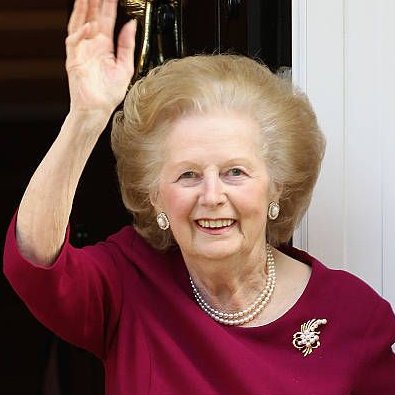
Though the UK’s first female prime minister is the most well-known of the figures we asked about, with just 1% saying they have never heard of her, Margaret Thatcher is also the least popular.
Younger Britons more likely to be aware of 21st century figures
While there is generally little difference between British men’s and women’s awareness of these respective figures, there is noticeably more difference between generations.
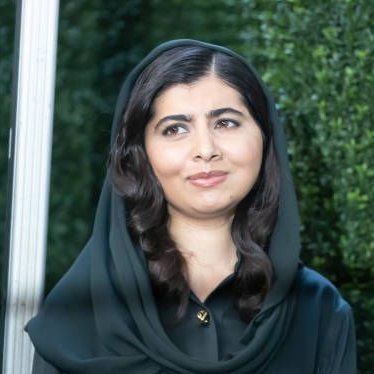
Looking at more recent famous figures involved in women’s rights finds most Britons (54%) saying they have never heard of female education activist and Nobel Peace Prize winner Malala Yousafzai, although awareness varies greatly by age.
Only 27% of Gen Z say they have not heard of Yousafzai, but this rises to 64% of Baby Boomers. Opinion of Yousafzai is highly positive among those who are aware of her, with a total 62% of Gen Z having a positive view, as well as 33% of all Britons and 26% of the oldest generation –only 3-6% in any group have a negative opinion of the activist.
Former US Supreme Court Justice Ruth Bader-Ginsburg and African-American race and gender activist Maya Angelou are less well-known among the British public, with 58-61% having never heard of them. Again, however, awareness is higher among the youngest generations, with 38% of Gen Z having a favourable view of Angelou and 23% saying the same for Ginsburg.
See the full results here and here
Interested in taking YouGov surveys? What do you think about Emmeline Pankhurst, women's rights in general, and everything else? Have your say, join the YouGov panel, and get paid to share your thoughts. Sign up here.
Interested in commissioning YouGov research? We connect in real-time with real people around the world to gather their thoughts, behaviours, and opinions, to ensure that our research data is powered by reality. Explore our survey services here.
Photo: Getty