
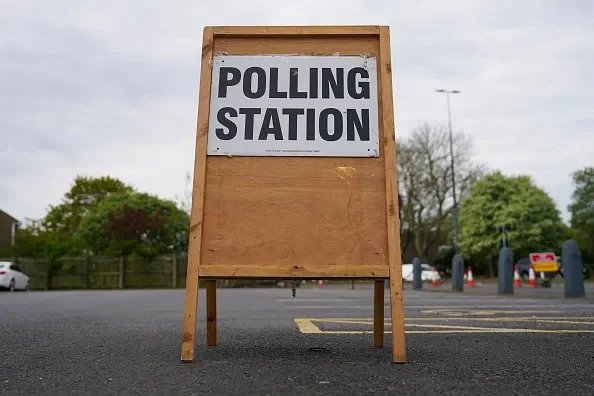
With the recent local elections seeing sizeable losses for the Labour Party and significant gains for Reform UK and the Greens, YouGov data shows that a large majority (70%) of those who cast a ballot on 7 May describe these elections as having been more important than previous local elections in their lifetime.
So, what was it that motivated local election voters to back their chosen party at this seemingly historic set of elections? While tactical voting and protest votes against the national government were common motivators, local election voters most commonly said they voted for the party that best reflected their values, at 43%. Additionally, almost one-third (29%) of voters also said they voted based on the best policies for the issues in their local area.
When it comes to the specific issues that drove voters, the most common answers respondents chose from a list of 23 issues were the economy and cost of living (27%), as well as immigration (26%).
Behind these top two issues, voters also frequently cited crime and policing (21%), roads (20%) and racism and the rise of the far right (19%) as having the most impact on their vote.
Our list of top issues matches that from a survey we conducted prior to the local elections, where we asked people what they thought the top issues were for their area.
The most noticeable difference is how many fewer local election voters cited roads and potholes as a reason for their vote (20%) than among the wider adult population of England describing it as a top issue locally (38%).
Similarly, NHS services and living costs were much less likely to be cited as key vote motivators, while immigration, racism, and the environment were more often given as top issues by local election voters than by the wider public – unsurprisingly, given the gains made by Reform and the Greens on 7 May.
Indeed, we can see that Reform UK voters were far more likely than other groups to name immigration as having the most impact on their vote, at 68% compared to 3-21% for other voters.
Likewise, Green voters were significantly more likely than those who backed other parties to cite racism or the rise of the far right (46%) as a top reason for their vote, as well as the environment and green spaces (33%). Labour, Lib Dem and Tory voters were less likely to focus so heavily on one or two specific issues.
When did voters decide who to vote for at the 2026 local elections?
The largest portion of voters (40%) say they had decided how they were voting in the local council elections more than a month before the election. Reform UK voters were by far the most likely to have settled on who to vote for long before election day, at 61%, with Green voters also more likely to have done so (43%) than voters for the Labour and Conservative parties (21-28%).
How do voters feel following the results of the local elections?
When voters in the 2026 local elections were asked to give one emotion to describe the outcome, pessimism (19%) and anxiety (15%) were the most common reactions. These were the top two answers for Labour, the Liberal Democrats, and Green voters, with pessimism also featuring for the Tories.
On the other hand, Reform UK voters were most likely to have felt optimistic (35%), with a further 16% saying they felt happy about the results.
Do voters think their councils will get better or worse over the next few years?
With Reform UK and the Greens taking control of unprecedented numbers of councils from the established parties for the first time, do voters think this heralds a change in how their councils will run, or will it be business as usual?
The most common view among those who voted at the local elections (41%) is that their council will get neither better nor worse in the coming years. A quarter (25%) of voters think their council will change for the worse, similar to the share that think their council will change for the better (21%).
Interested in taking YouGov surveys? How do you feel about the 2026 local election results, elections in general, and everything else? Have your say, join the YouGov panel, and get paid to share your thoughts. Sign up here.
Interested in commissioning YouGov research? We connect in real-time with real people around the world to gather their thoughts, behaviours, and opinions, to ensure that our research data is powered by reality. Explore our survey services here.
Photo: Getty