
Black people are the group Britons are most likely to think police are more strict with, and Muslims the group they are more likely to say police are more lenient with
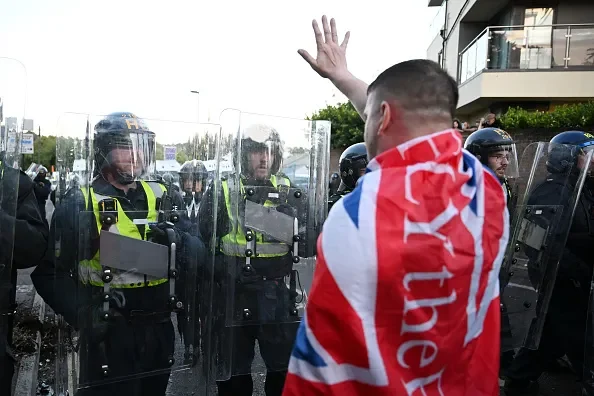
Accusations have been levelled at the police in the last couple of years that they are engaging in “two-tier policing”. That is to say, that police have been treating minority groups more leniently than white people, initially in the context of the anti-immigration protests when compared to rallies for other causes like Black Lives Matter or Palestine.
A new YouGov survey shows that many Britons do indeed believe that the police are stricter with some groups and more lenient with others. However, there is disagreement over which groups that applies to – and whether they are being over or under-policed.
For instance, the group that Britons are most likely to say aren't treated in the same way by the police are black people, with 60% thinking they are treated differently by police compared to 22% who think they are treated about the same as everyone else. However, those who think the police treat disorder by black people differently are divided on how that manifests: 36% think the police are more strict, while 24% think they are more lenient.
There is likewise a tendency to see police as being more strict with those with extreme right-wing views (33%) and young men (36%), while people are most likely to think that police are more lenient with Muslim people (34%) and those with white-collar jobs (32%).
Of the 14 groups we asked about, in only two cases is the number of people who think they are treated no differently higher than the combined total of those who think they are treated differently by police (either more strictly or more leniently): Jewish people, by 39% to 33%, and older men, by 44% to 31%.
White people and ethnic minorities differ on how the police treat certain groups
Attitudes differ significantly depending on the ethnicity of the respondent.
While both white and ethnic minority adults tend to think that police are more strict with black people, ethnic minority adults are much more likely to think so (53%) than white adults (33%). Among black adults specifically, fully 65% say black people are treated more strictly by police.
Likewise, when it comes to police treatment of Muslims, ethnic minority adults tend to think the police are more strict with them (39%) than more lenient (23%). For white adults the opposite is true, with 37% thinking police are more lenient with Muslims compared to 17% who think they are more strict.
The same broad trend plays out when asked about Sikh people, albeit to a lesser degree as more people in both groups tend to think police don’t treat Sikhs differently.
Ethnic minority adults are also more likely to think that Jewish people are treated leniently by police (32%) than white people do (21%) – white people are instead more likely to think Jews are not treated differently by the police (40%) than ethnic minority people do (29%).
When it comes to the police treatment of white people, ethnic minority adults primarily think it is more lenient (45%). Only 21% of white adults agree, with 28% instead saying police are more strict with this group.
Voters also differ on the treatment of different groups, in predictable ways.
For instance, 2024 Reform UK voters and to a lesser extent Tories are the most likely to think that the police are too strict with groups like white people and those with right wing views, while Labour, Lib Dem and Green voters are more likely to think the police are more strict with black people and Muslims, and climate activists.
See the full nationally representative sample results here
See the full ethnic minority sample results here
Interested in taking YouGov surveys? What do you think about two-tier policing, the recent riots in the UK, and everything else? Have your say, join the YouGov panel, and get paid to share your thoughts. Sign up here.
Interested in commissioning YouGov research? We connect in real-time with real people around the world to gather their thoughts, behaviours, and opinions, to ensure that our research data is powered by reality. Explore our survey services here.
Photo: Getty
Photo: Getty