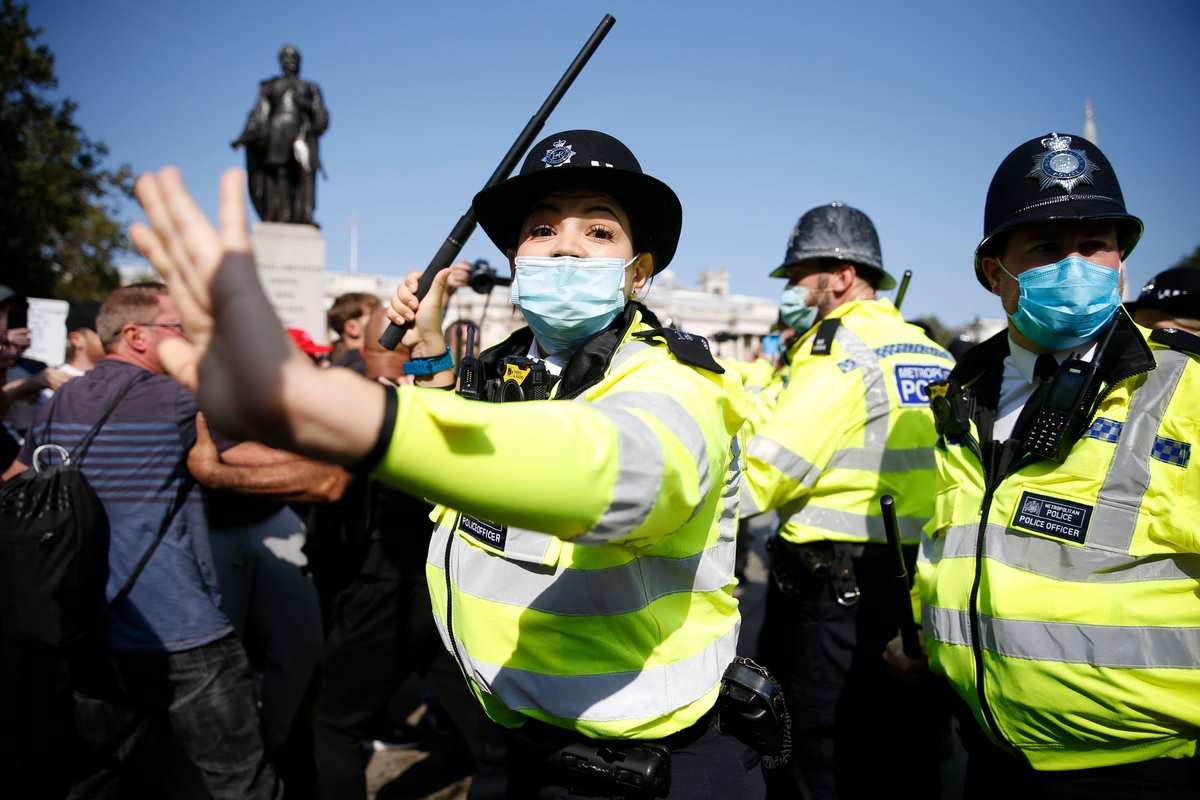
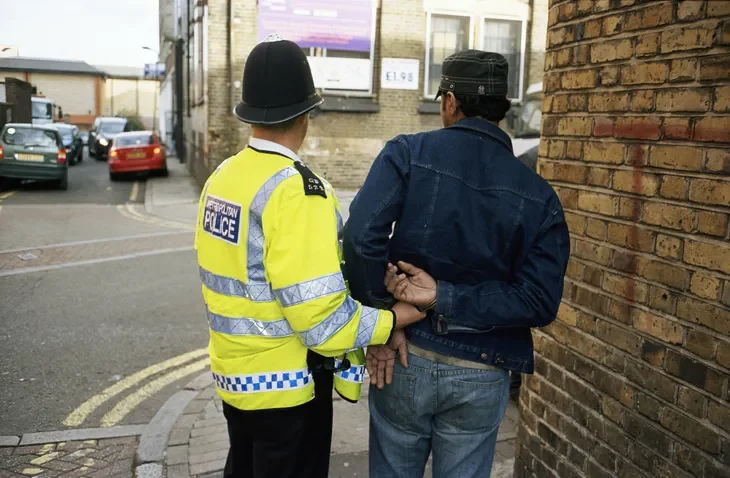
Prejudice within the police has been a perennial concern, particularly from marginalised communities, with the 2023 Casey Review into the culture within the Metropolitan Police finding the force to have serious problems with racism, sexism, homophobia and bullying.
While forces have pledged to do more in recent years to remove problematic officers, our study on public attitudes to the police has found that 59% of adults from ethnic minority backgrounds believe the police have done a bad job at addressing issues of racism within the police, with 50% of women believing they have done poorly at addressing issues of sexism.
Within the police, though, there is a feeling these are not big issues.
Only 14% of police staff, for instance, feel there is a big problem with racism within the force, with only 12% saying they have either personally experienced or witnessed racism. Roughly twice as many (29%) say the police internally have no problem at all with racism.
Likewise, just 9% of police staff either believe the force has a big problem with homophobia or say they have experienced or observed it within the police.
Police officers are more likely than other staff to say the force has little to no problem with bullying (70% vs 46%), racism (83% vs 61%), homophobia (87% vs 67%) and misogyny (68% vs 50%).
However, there are cases where the sums don’t fully add up. Just 29% of police staff feel the force has a big problem with sexism and misogyny, though this rises to 42% of women working in the police, relative to just 19% of male police staff.
A full third of women in the police (33%) say they have personally experienced sexism and misogyny on the job, with 25% saying they have witnessed it happening to another member of staff.
Similarly, while just 25% of police staff believe the force has a big problem with bullying, one in six (18%) have experienced it themselves and a third (33%) have witnessed it happening to a colleague.
Additionally, when it comes to efforts to create equal access to police jobs for groups historically underrepresented on the force, police staff are more likely to believe they have gone too far than not gone far enough for those from ethnic minority backgrounds (26% vs 17%) and LGBTQIA+ people (25% vs 7%).
Police officers are more likely than backroom staff to feel that efforts to create equal access to police jobs have gone too far for people from ethnic minority backgrounds (31% vs 18%) and women (18% vs 6%).
In all cases, however, the tendency among police is to believe that current efforts are about right, with recruitment from people from working class backgrounds the only case polled where police staff are more likely to feel efforts have not gone far enough than have gone too far (25% vs 3%).
Recent years have seen media reporting of offensive remarks made by officers, often defended internally as “banter”.
Overall, just 13% of police officers believe there is a real problem with offensive attitudes and language in the police force that are right to be taken seriously, while 62% believe that banter and humour are a way of coping with the pressures of the job.
See the full results here
Interested in taking YouGov surveys? Are you a police officer? What do you think about accusations of institutional racism in the police, policing in a general and everything else? Have your say, join the YouGov panel, and get paid to share your thoughts. Sign up here.
Interested in commissioning YouGov research? We connect in real-time with real people around the world to gather their thoughts, behaviours, and opinions, to ensure that our research data is powered by reality. Explore our survey services here.
Photo: Getty