As the Scottish parliamentary election campaign gets underway, just 27% of Scots believe the Scottish government is doing a good job
Key takeaways
- 58% of Scots disapprove of the Scottish government’s record to date, with 79% disapproving of the UK government
- 2024 Scottish Labour voters are as likely to disapprove of the UK government (71%) as the SNP-led Scottish government (72%)
- Seven in ten Scots believe the Scottish government are handling the NHS and housing badly
- The economy and health are seen as the most important issues facing Scotland at the start of the Holyrood election campaign
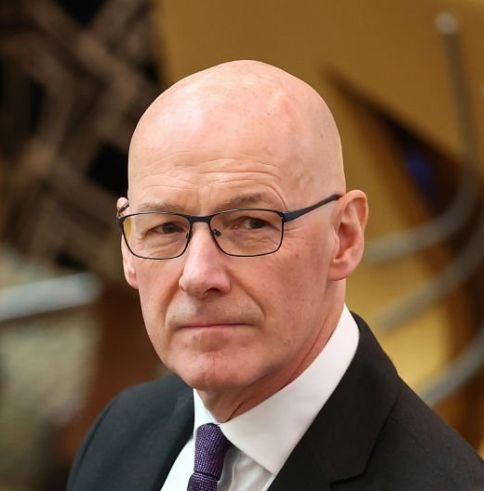
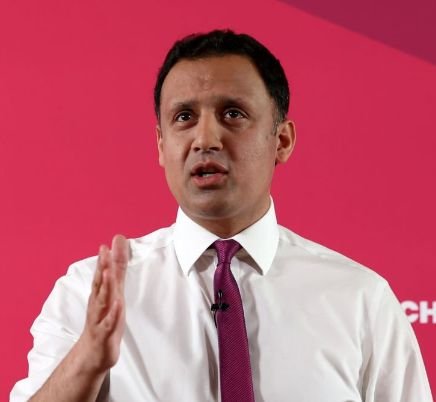
- John Swinney has a net favourability rating of -17, compared to -40 for Anas Sarwar and -59 for Keir Starmer
It is now less than a month until the 2026 Scottish parliamentary election. While it’s not looking to be as seismic as the election in Wales, our most recent Holyrood voting intention shows the SNP could be on the verge of a fifth term in power, with a breakthrough result for Reform UK and historic losses for the Conservatives.
But beyond how they intend to vote, where does Scottish public opinion stand on the wider political questions?
Do Scots approve of their governments?
While the SNP might be leading in voting intention polls, this is off the back of just over a quarter of Scots (27%) approving of the Scottish government’s record to date, with 58% instead disapproving of the SNP’s performance in office.
This does, however, make the Holyrood government notably less unpopular than its Westminster counterpart, with a mere 9% of Scots approving of the UK government at present, against a full 79% disapproving of Labour’s track record.
Even among those Scots who voted Labour into power at the last general election, 71% disapprove of the government’s performance since, with just 15% approving. This is noticeably more negative than among 2024 Labour voters across the whole of Britain, and is near-identical to Labour-voting Scots’ feelings about the SNP-led Scottish government (72% disapprove vs 16% approve).
SNP voters themselves are mostly positive about the Holyrood government, with 66% of Scots intending to help re-elect the SNP in May approving of their record in power to date, though 18% disapprove.
Among those planning to cast their regional vote for the Greens, who might be needed to support an SNP-led government if John Swinney’s party falls short of an overall majority, 50% approve of the Scottish government’s record, relative to 30% viewing the SNP’s time in power negatively.
How do Scots feel their governments have handled key issues?
The NHS and housing are areas on which the Scottish government comes in for particular criticism, with around seven in Scots (69-70%) feeling they’re handling these issues badly. Only 26% feel the NHS is being handled well and a mere 20% saying the same of housing.
Even among those intending to vote SNP, around half (49%) feel the Holyrood government is doing poorly when it comes to housing, compared to 39% who think they’re handling the matter well.
Scots are most positive about the SNP’s performance on the environment and standing up for Scotland within the UK, being near divided on these issues between the 38-42% who think the Scottish government are doing a good job and the 45-46% who’ve so far found their performance lacking.
When it comes to crime, education, taxation and welfare, evaluations roughly mirror overall government approval, with 29-31% of Scots feeling these issues are being handled well by the Scottish government and 56-59% believing they’re being handled badly.
On issues where it is Westminster that has partial or full control, the public are typically even more critical, with only 12-14% believing Labour are handling the economy, immigration, taxation or welfare well, compared to 77-82% feeling the UK government are handling these matters poorly.
A greater 23-26% feel the UK government are doing a good job on issues of Scottish independence and defence, though majorities of Scots (54-59%) still feel either issue is being handled poorly. Even among 2024 Scottish Labour voters, no more than 33% say the Starmer government is handling any of the issues polled well.
What do Scots feel are the most important issues facing Scotland?
As the Holyrood election campaign gets underway, it is the economy that tops the agenda for Scots, a clear majority of whom (55%) believe it is one of the most important issues facing Scotland.
This puts it ahead of health, which 45% see as one of the most pressing issues facing Scotland, with immigration in a distant third, being seen as a top issue by 33%.
One in five Scots (20%) say each of education and housing are among the top issues facing the country, with crime, taxation, and the questions of whether Britain is a member of the EU and whether Scotland becomes independent each seen as among the biggest issues facing the nation by 14%.
The economy and health feature in the top three most important issues for those intending to cast their regional vote for any of the six main parties in May, though there are some differences, such as the economy being seen as a top issue by 66-68% of those who intend to vote Labour and Lib Dem, but only 46% of those planning to vote for Reform UK.
Other issues see greater variation between voters. For instance, while 81% of those intending to vote Reform UK see immigration as one of the most pressing matters facing Scotland, this is true of just 36% of Conservative supporters, 18-22% of those planning to vote SNP, Labour or Lib Dem and only 9% of Greens.
Education is a stand-out concern of Labour supporters, 33% of whom feel it’s one of the most important issues facing Scotland, with this true of taxation for Conservative and Reform UK supporters (27-29%) and the environment for those leaning towards the Greens (39%).
Three in ten of those intending to back either the SNP or Greens (29-31%) see the question of Scotland’s constitutional future as one of the biggest issues facing the country, relative to just 3-8% among those backing one of the four main unionist parties.
Scottish political favourability ratings, Spring 2026
John Swinney remains the most popular party leader in Scotland, though with just a third of Scots (34%) viewing the first minister favourably, relative to half (51%) seeing him in a negative light. This leaves the SNP leader with a net favourability rating of -17.
In comparison, Anas Sarwar, the only other contender for first minister with significant name recognition, is seen positively by just 18% of Scots. The majority (58%) now hold an unfavourable opinion of the Scottish Labour leader, up six points since February, leaving him with a net score of -40.
A similar 18% hold a favourable opinion of Keir Starmer, though against a greater 77% seeing the prime minister unfavourably, producing a net rating of -59. This includes a score of -32 among Scots who voted Labour in 2024, which is a sharp contrast to Starmer’s rating of -6 among 2024 Labour voters as a whole.
Kemi Badenoch and Nigel Farage fare little better among Scots, with just a fifth (20-21%) viewing either right-wing party leader favourably, relative to 60% seeing Badenoch unfavourably and 72% holding such an opinion of Farage. The Scottish public also tend to see Ed Davey negatively, by 36% to 24%.
At least 57% of Scots “don’t know” how they feel about the other Scottish party leaders, with opinion tending to be negative among those who do have an opinion.
Perhaps alarmingly for the Scottish Greens, this includes significantly more Scots being unsure how they feel about either of their co-leaders, Ross Greer (61%) or Gillian Mackay (73%), than lack an opinion about Zack Polanski (45%), who is only the leader of the separate English and Welsh party.
In common with other party leaders, Scots do tend to see Polanski unfavourably, by 35% to 20%.
YouGov Scottish independence referendum tracker
Although John Swinney has said that he would “press on with [an independence referendum] as quickly as possible” if the SNP wins a majority in May, the latest figures from our Scottish independence tracker suggest another vote could end up close to a repeat of the 2014 referendum.
Of Scots who know how they would vote, 56% say they would vote “No” to independence, compared to 44% say they would vote “Yes”. This compares to a 50-50 tie in our February poll, showing minds are far from fully made up on the question.
Although it might not be seen as a top issue ahead of this election, Scottish voting preferences are still coloured by stances on independence. Those intending to vote SNP in May say they would vote for Scottish independence in a future referendum by 84% to 7%, with supporters of the likewise pro-independence Greens saying they would do so by 70% to 12%.
By contrast, 98% of Conservative backers, 86% of those intending to vote Reform UK, and 76-77% of those planning to vote Labour or Lib Dem in May say they would vote “No” in a referendum on whether Scotland should be an independent country.
Interested in taking YouGov surveys? Do you approve of the Scottish government’s record to date? What do you think about Scottish politics in general, and everything else? Have your say, join the YouGov panel, and get paid to share your thoughts. Sign up here.
Interested in commissioning YouGov research? We connect in real-time with real people around the world to gather their thoughts, behaviours, and opinions, to ensure that our research data is powered by reality. Explore our survey services here.
Photo: Getty