Key findings:
- Three quarters of Britons (75%) have heard reports that the EU's Entry/Exit System (EES) could lead to longer waits at border crossings.
- Among recent travellers to Europe, 36% report queuing to provide biometric information, while 37% say they experienced none of the listed delays.
- Despite some disruption, more than half (53%) of recent travellers say EES had no impact on their overall trip, and 51% are extremely unlikely to change their future travel plans.
- Nearly two thirds (64%) of Britons planning to visit Europe in the next 12 months say they will still travel as planned, although 41% intend to allow extra time for their journey.
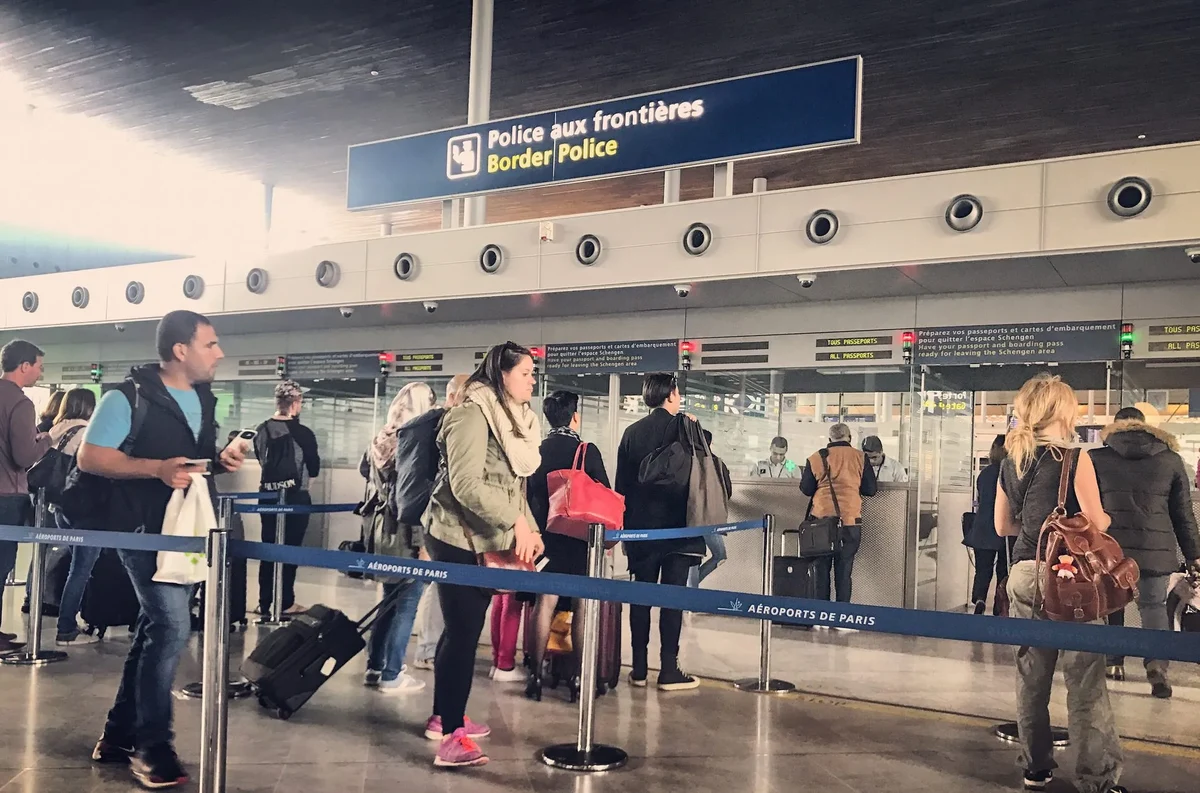
The EU's Entry/Exit System (EES) has dominated UK travel headlines in recent months, with airlines, ferry operators and travel organisations warning that the introduction of biometric border checks could increase waiting times for travellers entering the Schengen Area.
New YouGov Surveys data explores public awareness of the reports and whether they are affecting recent travel experiences or future holiday plans.
How aware are British travellers of the EU's new Entry/Exit System?
Three quarters (75%) of Britons say they had heard reports that the EU's new Entry/Exit System (EES) could lead to longer waits at border crossings before taking the survey. Around one in five (22%) say they had not heard about the reports, while 4% are unsure.
Looking at travel behaviour, 15% say they travelled to Europe in the last month, 39% plan to travel to Europe in the next 12 months and 5% say both apply.
What delays are British travellers experiencing under the EU Entry/Exit System?
Among those who travelled to Europe in the last month, the most commonly reported experience is queues to have biometric information, such as fingerprints or a facial image, recorded (36%). Three in ten (30%) say they experienced longer queues at passport or border control, while 16% report additional passport or document checks.
One in nine (11%) report delays at airport or port security or say they experienced delays but are unsure what caused them (11%). More than a third (37%) say they experienced none of these issues.
How has the EU Entry/Exit System impacted recent holiday-goers?
More than a quarter of recent travellers (27%) say the EU’s new Entry/Exit System (EES) increased their travel time, while 19% say it caused stress or anxiety and 16% say it delayed the start of their holiday. Around one in ten (11%) say it made them worry about future trips to Europe.
Just over half (53%) of recent travellers say none of the listed impacts applied to their trip.
Will EES delays change how Britons travel to Europe?
Despite some travellers reporting delays or inconvenience, most do not expect to alter their future travel plans because of their experience, with 51% saying they are extremely unlikely to do so.
Around 17% say they are likely to change future travel to Europe following their recent experience with the Entry/Exit System (7% extremely likely and 10% slightly likely), while 24% say they are neither likely nor unlikely to change their plans.
How concerned are Britons about EES border delays?
Among Britons planning to travel to Europe in the next 12 months, concern about experiencing longer waits is relatively common, although it tends to be moderate rather than severe.
Two in five (41%) say they are slightly concerned, while 25% are moderately concerned and 16% are very concerned. By comparison, 15% say they are not at all concerned.
How will news reports of EES affect future European travel plans?
News report about EES appear more likely to influence how people travel than whether they travel. Nearly two thirds (64%) say they will still travel as planned, while 41% say they will allow more time for their journey.
Smaller proportions say they will travel at a different time of year (8%), choose a destination outside Europe (5%) or delay booking their trip (4%). None of those surveyed say they have cancelled plans to travel to Europe because of the reports.
Overall, the findings suggest that while news reports of EES-related delays have reached most Britons and some recent travellers report experiencing additional queues or disruption, these experiences have had a limited impact on travel intentions. Most prospective travellers still plan to visit Europe, with many indicating they would adjust their travel arrangements rather than cancel or postpone their trips.
Methodology: YouGov polled 1,003 British adults online on 27 June 2026. The survey was carried out through YouGov Surveys: Self-serve. Data is weighted by age, gender, education level, region, and social grade.
Image: Getty Images