Editor's note: This article was also published in The Surveyor, YouGov America's email newsletter. Subscribe to The Surveyor for regular updates on YouGov's polling.
At the 250th anniversary of the 1776 Declaration of Independence, Americans are united in viewing independence as a good thing — but divided over what, exactly, the American Revolution means.
The vast majority (78%) of Americans say it was a good thing for the Thirteen Colonies to declare independence from Great Britain, including 65% who say it was a very good thing. Almost no one (1%) says it was a somewhat or very bad thing.
YouGov also asked British adults the same question. While 65% of Americans say the American revolution was a very good thing, and another 13% say it was somewhat good, only 16% of Britons say it was very good and 23% say it was somewhat good. Only 1% of Americans say the American Revolution was very or somewhat bad, while 10% of Britons say this.
In the U.S. support for the colonies' assertion of their independence is high among liberals (64% say it was a very good thing), moderates (61%), and especially conservatives (79%). Older Americans are more likely than young adults to say independence was a very good thing: 86% of those 65 and older say this, compared to 69% of 45- to 64-year-olds, 53% of 30- to 44-year-olds, and 48% of adults under 30.
Americans who say they know a fair amount or a lot about the American Revolution overwhelmingly say it was a very good thing (78% and 77%), as do most who say they know a little about the revolution (67%). The 11% of Americans who say they know nothing about the American Revolution are also less likely to like it: Only 33% of them say it was a very good thing, while 37% aren't sure and 19% say it was neither good nor bad — more than double the share who say this among people who know at least a little about the revolution.
How much Americans know about the Revolution
Nearly half of Americans say they know a fair amount or more about the American Revolution, including 10% who say they know a lot and 35% who know a fair amount. 37% of Americans know a little about the revolution and 11% know nothing at all.
College graduates are more likely than Americans without college degrees to say they know a fair amount or more about the American Revolution (57% vs. 39%), and men are more likely than women to say so (54% vs. 37%). Americans who are either very liberal (58%) or very conservative (58%) are more likely to know a lot about the American Revolution than are those who are liberal but not very liberal (51%), moderate (43%), or conservative but not very conservative (40%).
The 45% of Americans who know a fair amount or more about the American Revolution is a smaller share than the 58% who have said on other YouGov surveys that they know that much about World War II and the 53% who say the same about the U.S. Civil War, but far more than have said that about the Roman Empire (26%), the European Middle Ages (23%), and the French Revolution (21%).
Americans are most likely to say they've learned about the American Revolution through school (69%), among 10 options. That's followed by movies and TV shows (37%), nonfiction videos or documentaries (36%), and nonfiction books or articles (34%).
44% of Americans say the American Revolution isn't taught enough in schools, while 31% say it's taught the right amount and 3% say it's taught too much.
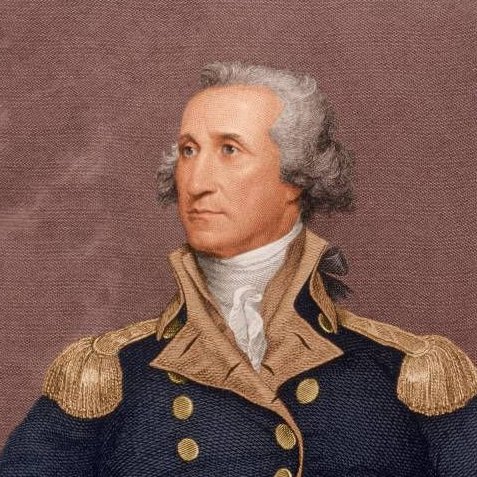
How George Washington is regarded
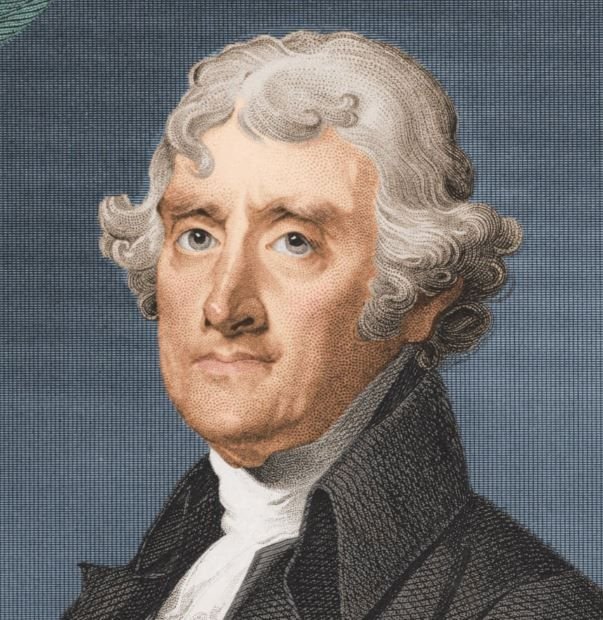
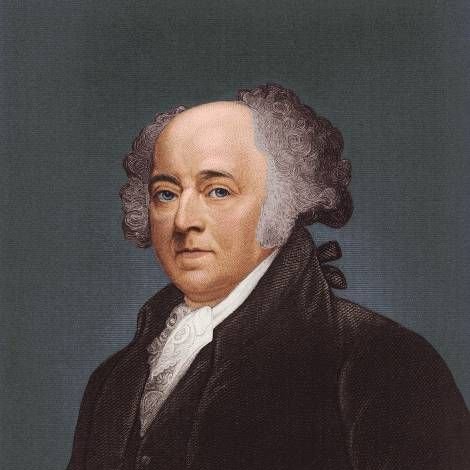
YouGov asked Americans their thoughts on 14 people who were active during and after the American Revolution. Many prominent founders are very well liked: 80% have a very or somewhat favorable opinion of Benjamin Franklin, followed by George Washington (78% favorable), Thomas Jefferson (72%), Paul Revere (72%), John Adams (69%), Betsy Ross (69%), Alexander Hamilton (65%), and James Madison (63%).
Abigail Adams and the Marquis de Lafayette are less-well-known but still far more liked than disliked: 53% view Abigail Adams favorably and 8% unfavorably, with 39% unsure. 38% view Lafayette favorably and 13% unfavorably, with 50% unsure.
Four of the 14 Revolution-era figures are viewed unfavorably by more Americans than view them favorably: Hamilton's killer Aaron Burr (27% favorable and 28% unfavorable), British general Charles Cornwallis (20% vs. 28%), traitor Benedict Arnold (16% vs. 56%), and King George III (15% vs. 53%).
69% of Americans have either a positive or a negative opinion about King George III, while 31% have no opinion. By this measure, George III is better known in America — where the Declaration of Independence targeted him as the bad guy— than he is in Great Britain, where 69% of Britons have no opinion about a man who is just one of the 42 monarchs since William the Conqueror. (The YouGov poll of Britons offered respondents the option of saying they'd never heard of each monarch, unlike the U.S. poll.)
Washington is also far better known — and regarded more highly — in the U.S. than he is in the UK. A recent YouGov survey of British adults found that 37% don't have an opinion of him; 53% view him favorably and 11% unfavorably.
For the 10 revolutionary-era figures who are broadly liked in the U.S., both liberals and conservatives have net favorable views. Conservatives are more likely than liberals to view nine of the 10 favorably. The exception is the Frenchman Lafayette, who's more popular among liberals.
We hold these documents very favorably
Among American Revolution-era documents, the Declaration of Independence, the U.S. Constitution, and the Bill of Rights are all well-known and popular: Each is viewed favorably by more than 80% of Americans.
George Washington's Farewell Address, Thomas Paine's Common Sense, and the Federalist Papers are less well-known, but those Americans who do have opinions about each text are much more likely to have favorable opinions than unfavorable ones. The only one of the seven documents with significant unfavorable views is the Articles of Confederation, yet it, too, is viewed favorably by many more Americans than view it unfavorably.
Both liberals and conservatives have net favorable views of all seven documents, but conservatives are more likely than liberals to view each document favorably. That's especially true of the Articles of Confederation: 43% of liberals view it favorably and 28% unfavorably, for a net favorability of +15, while conservatives are 65% favorable and 13% unfavorable (+52).
Majorities of Americans agree with all six statements from the preamble to the Declaration of Independence, including 85% who strongly or somewhat agree that men's inalienable rights include "life, liberty and the pursuit of happiness," 80% who agree that "whenever any form of government becomes destructive of these ends, it is the right of the people to alter or to abolish it," and 76% who agree that "all men are created equal." 17% disagree that all men are created equal, including 29% of Black Americans and 27% of Hispanic Americans.
Petitions yes, Minutemen maybe
Like with past YouGov surveys asking about the acceptability of modern-day protest tactics, this survey asked Americans about a range of actions by American colonists to resist Britain in the leadup to independence. Most Americans say it was very acceptable for colonists to advocate for independence (68%), to send petitions to Parliament (62%), and to boycott British goods (59%). Majorities also say it was very appropriate to elect congresses to coordinate resistance (56%). About half (52%) say it was very appropriate to publish pamphlets attacking King George III and Parliament.
Several more aggressive actions are seen by fewer Americans as very acceptable, including stockpiling weapons and ammunition for local militia (48%), dumping British tea into Boston Harbor (46%), shooting at British soldiers trying to seize colonial weapons (37%), intimidating British taxpayers into resigning (34%), and throwing snowballs and stones at British soldiers stationed in Boston (28%).
Liberals are more likely than conservatives to say several nonviolent colonial tactics were very acceptable, including petitioning Parliament (75% of liberals and 68% of conservatives say this was very acceptable), electing colonial congresses (69% vs. 61%), and publishing anti-British pamphlets (67% vs. 56%). Conservatives were more likely than liberals to say it was very acceptable to stockpile arms (62% of conservatives and 49% of liberals say this) and shoot at British soldiers trying to seize those stockpiles (48% vs. 39%). One exception to this trend of conservatives being more supportive of aggressive tactics: Liberals are more likely than conservatives to say it was very acceptable to throw stones at British soldiers in Boston (37% of liberals and 31% of conservatives say this).
The Revolution's meaning
Majorities of Americans say the American Revolution was somewhat or a great deal about defending Americans' political rights (80%), promoting Americans' economic interests (76%), and expanding democracy in the country (75%). Fewer say it was at least somewhat about either protecting slavery (35%) or limiting it (30%).
Liberals are more likely than conservatives to say the American Revolution was at least somewhat about protecting the system of slavery (49% of liberals and 28% of conservatives say this), and conservatives are more likely to say it was at least somewhat about limiting slavery (37% of conservatives and 24% of liberals say this).
YouGov also asked Americans how important they think ideas from five different sources were in shaping the American Revolution. 39% say ideas from Christianity were very important in shaping their nation's revolution, more than the share who say ideas from Great Britain (32%), the Enlightenment (31%), Native American nations (25%) or ancient Greece and Rome (22%) were very important.
Views on Christianity's influence on the American Revolution are ideologically polarized: 64% of conservatives and 22% of liberals say Christian influence was very important. That's a much wider gap than on the importance of ideas from the other four sources.
For conservatives, Christian ideas are far and away the most likely of the five potential influences to be considered very important for the American Revolution. Christianity was the least likely of the five for liberals to call very important.
There are divisions about which ideas were most important in shaping the American Revolution by self-reported knowledge about it. Among Americans who say they know a lot about it, more say ideas from Great Britain (54%) and the Enlightenment (53%) were very important than say so about ideas from Christianity (47%). Among Americans who say they know a fair amount about the American Revolution, on the other hand, Christian ideas are most likely to be called very important (42% vs. 40% for Enlightenment ideas and 38% for British ideas). Among those who know a little about the American Revolution, the gap is even wider: 40% say Christian ideas were very important, compared to 30% for British ideas and 24% for Enlightenment ideas.
Methodology: The June 11 - 15, 2026 poll was conducted among 2,093 U.S. adult citizens. Respondents were selected from YouGov’s opt-in panel to be representative of U.S. adult citizens. A random sample (stratified by gender, age, race, education, geographic region, and voter registration) was selected from the 2019 American Community Survey. The sample was weighted according to gender, age, race, education, U.S. region, 2024 presidential vote, 2020 election turnout and presidential vote, baseline party identification, and current voter registration status. 2024 presidential vote, at time of weighting, was estimated to be 48% Harris and 50% Trump. Demographic weighting targets come from the 2019 American Community Survey. Baseline party identification is the respondent’s most recent answer given around November 8, 2024, and is weighted to the estimated distribution at that time (31% Democratic, 33% Republican). The margin of error for the overall sample is approximately 3%.
Image: Getty (SimpleImages)
What do you think about the election, American politics in general, and everything else? Have your say, join the YouGov panel, and get paid to share your thoughts. Sign up here.