




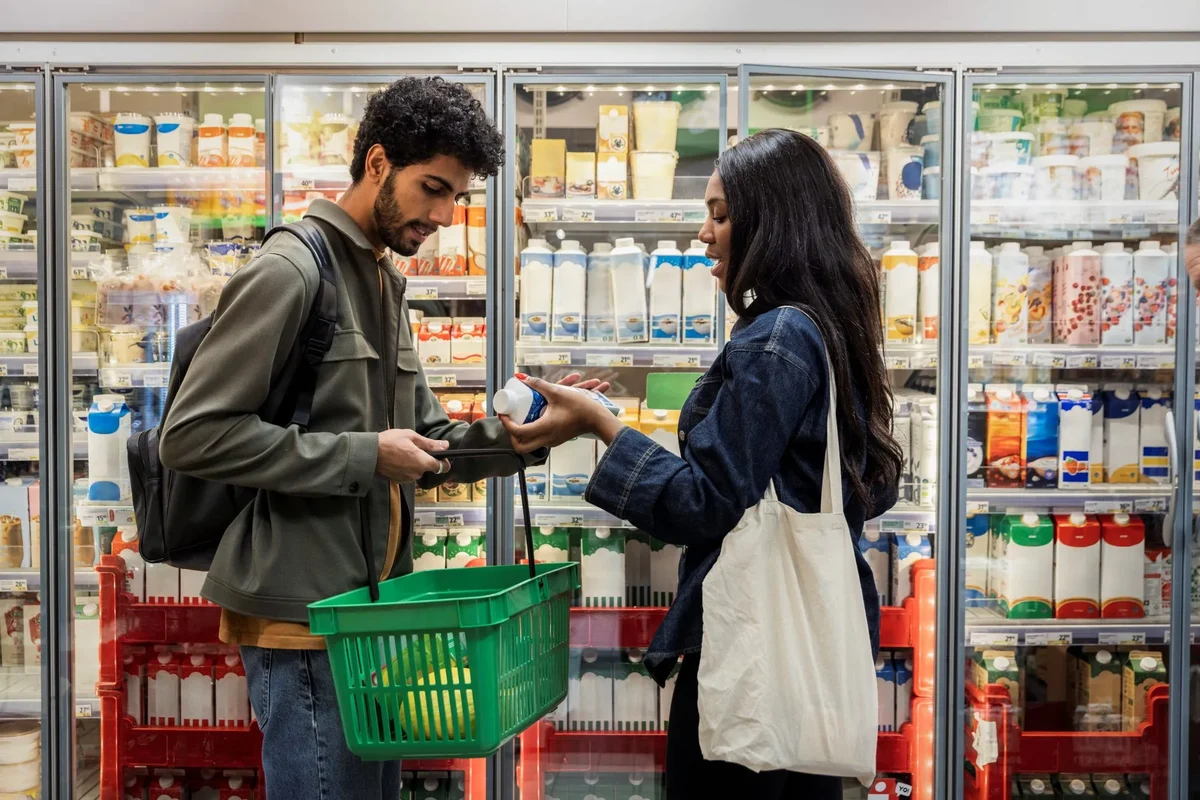
Shoppers brace for a new wave of inflationary shocks
Unlike the cost-of-living crisis of 2022, jumpstarted by disrupted commodity flows, the current shock puts pressure on the foundations of FMCG production simultaneously. Energy inputs, agricultural yields, and transport capacity are all affected at once, driven by instability around the Strait of Hormuz – a chokepoint for oil, LNG, and a substantial share of globally traded fertilizers.
For shoppers, this does not translate into blanket cutbacks. Instead, it triggers selective recalibration, based on how substitutable and “fairly priced” each category feels under rising cost pressure. The question for manufacturers and retailers is therefore not whether inflation returns, but which categories are structurally exposed to which cost drivers – and how households typically respond to each.
How will war-influenced inflation impact FMCG brands and retailers?
Inflation doesn’t just raise prices – it reshapes shopper choices. YouGov Price Pulse gives you a continuous, SKU-level understanding of how prices shift across categories, retailers and brands – and how consumers adapt when the cost-of-living changes. Identify when inflation hits, when shoppers switch, and where value is leaking.