Interest in second-hand fashion is fairly widespread in the U.S., but not everyone is convinced. Nearly a third of Americans say they are not interested in buying second-hand clothing, including 15% who are not interested at all.
Lack of interest is higher among Baby Boomers, with 39% saying they are not very or not at all interested. On the other hand, only a about fifth of Gen Z consumers (19%) say they are not interested, which points to higher openness to buying second-hand fashion.
But even in a market with considerable potential, concerns about buying second-hand clothing are widespread. Just 7% of Americans say they have none of the concerns measured in our survey.
While previous YouGov analysis looked at where Americans would consider buying second-hand clothing and the types of items they would buy, new YouGov Surveys data examines what might make them hesitate. From hygiene and clothing condition to fit and value for money, the findings reveal the biggest concerns Americans have about buying second-hand clothes.
Hygiene and clothing condition are the biggest concerns to purchasing second-hand clothing
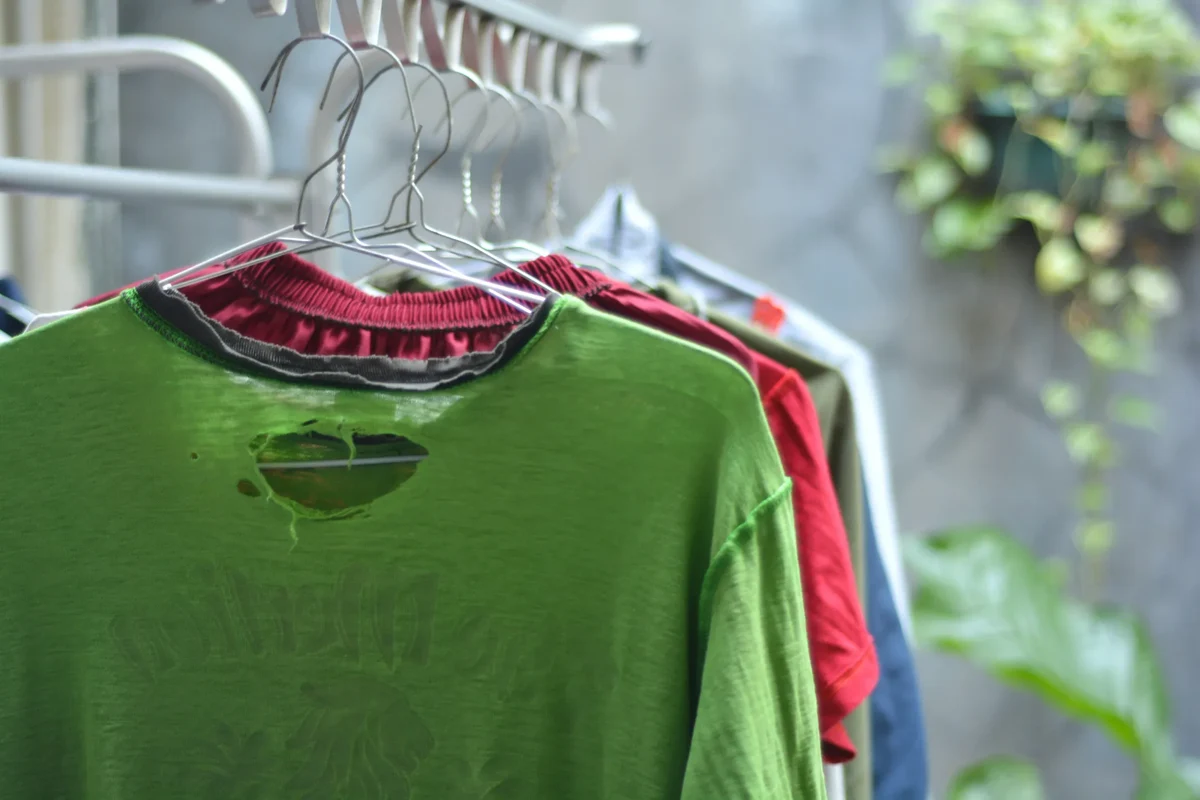
Hygiene tops the list of concerns about buying second-hand clothing in the U.S. Nearly half of Americans (48%) worry that items may not be sufficiently clean, while 45% are concerned about clothing condition and potential damage.
Nearly two in five say it may be difficult to know whether an item will fit properly (38%).
Price also matters. More than a third of Americans (35%) worry that the saving may not be enough to make buying second-hand worthwhile, while 32% are concerned they may not be able to try an item on before purchasing it.
Other concerns include difficulties returning or exchanging an item (27%), the trustworthiness of the seller (24%) and limited choice of styles, brands or sizes (22%).
Fewer consumers are concerned about not knowing how an item was previously used or cared for (20%) or whether an item is authentic (17%). Around one in seven say it may be difficult to know where to find good second-hand clothing (15%), while 12% worry that buying second-hand may simply be less convenient than buying new.
How second-hand clothing concerns differ by generation
Cleanliness ranks among the leading concerns across generations, although Millennials (51%), Gen X (50%) and Baby Boomers (50%) are more likely to cite it than Gen Z (39%).
Baby Boomers stand out more clearly when it comes to value. More than two in five (44%) worry that the price saving may not be enough to make buying second-hand worthwhile, compared with a quarter of Gen Z (25%). They are also more likely than younger Americans to be concerned about not being able to try an item on before purchase (37% vs. 23% of Gen Z).
Gen Z, meanwhile, are more likely to have concerns about an item’s history. More than a quarter (27%) say they may not know enough about how an item has previously been used or cared for, compared with 16% of Baby Boomers.
Authenticity also registers more strongly among younger shoppers: 22% of Gen Z are concerned that second-hand items may not be genuine, twice the share of Baby Boomers (11%).
For brands and retailers expanding into resale, the findings point to some of the practical barriers that may need addressing. Cleanliness and product condition sit at the top of the list, while fit, value and returns also matter to sizeable shares of consumers. The relative importance of those concerns, however, can vary depending on the audience.
Methodology: YouGov polled 1,000 U.S. adults online on October 1. The survey was carried out through YouGov Surveys: Self-serve. Data is weighted by age, gender, education level, race, and region.