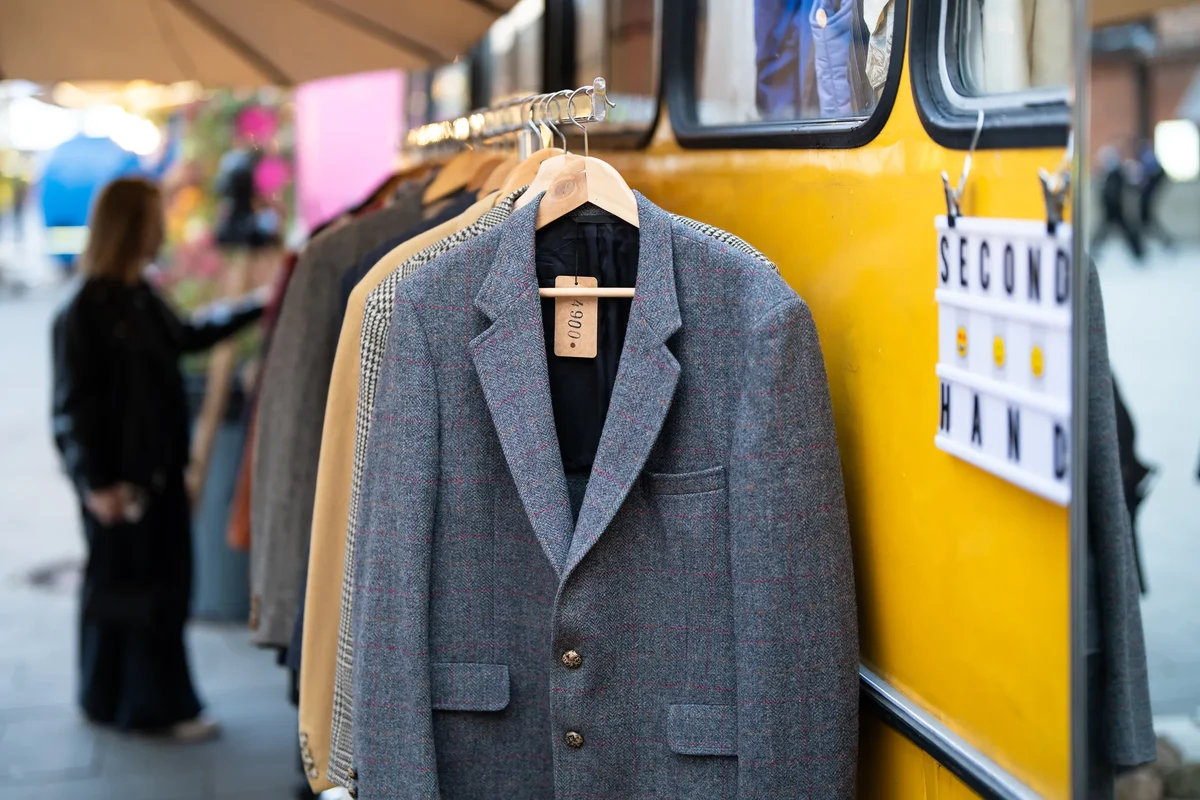
Secondhand apparel is becoming a more visible part of fashion retail. In 2026, Steve Madden launched dedicated resale shops across three of its brands, while Pacsun expanded its PS Vintage secondhand offering into stores across the U.S.
There is a sizeable potential audience for these services. Our data finds that nearly two-thirds of Americans say they are interested in buying secondhand clothes in the future (64%), even though concerns like condition of clothes and lack of seller trust remain.
But where do Americans consider buying pre-owned clothes from – and which types of clothing are they willing to purchase used?
YouGov Surveys: Self-serve data looks at where the opportunity is strongest.
Where Americans would buy: Nearly three in ten Americans would consider brand resale services for secondhand fashion
Thrift stores and charity shops remain the most common route into secondhand clothing, considered by three in five U.S. adults (61%). They are particularly popular among lower-income Americans, with consideration rising to 64%.
Specialist secondhand and vintage clothing stores rank next at 39% overall, but their appeal moves in the opposite direction by income. Just over a third of lower-income Americans would consider shopping at these stores (34%), compared with more than half of higher-income consumers (52%).
But brand-operated resale services also rank relatively highly. Nearly three in ten Americans (29%) say they would consider buying secondhand clothing through a brand’s own resale service, such as Patagonia Worn Wear or Levi’s SecondHand. That rises to around one in three among both middle- and higher-income adults (34%), compared with 22% among lower-income consumers.
Online resale options attract similar levels of consideration. Just over a quarter of Americans would consider specialist secondhand marketplaces such as Vinted or Depop (27%), while 24% would consider general online marketplaces such as eBay.
By comparison, more traditional retailers attract smaller shares. Around one in five Americans would consider buying secondhand clothing from clothing-focused department stores such as Macy’s or Nordstrom (22%), while 13% would do so at supermarkets and general merchandise retailers such as Walmart or Target.
That contrast is useful for brands considering resale: their own secondhand services currently attract greater consideration than either department stores or general merchandise retailers selling used clothing.
What Americans would buy: Everyday clothing has the broadest secondhand appeal
YouGov’s data suggests Americans are most comfortable buying secondhand items that make up everyday wardrobes.
Approaching three in five (57%) would consider buying used tops such as shirts, T-shirts and sweaters, while more than half would consider outerwear such as coats and jackets (55%) or bottoms such as jeans, pants and skirts (52%).
Consideration is lower for fashion accessories (35%), vintage or designer items (32%) and clothing for special occasions (32%).
Fewer than three in ten would think about buying shoes (28%), activewear or sportswear (27%) or dresses (27%) secondhand. Suits and formal wear stand at 24%, while consideration is lowest for children’s clothing (20%) and sleepwear or loungewear (16%).
There are again some differences by income. Higher-income Americans are particularly open to vintage or designer items, with 42% saying they would consider buying them secondhand, compared with 34% of middle-income and 27% of lower-income consumers.
They are also more likely to consider used suits and formal wear (32% vs 24%), but less likely to consider secondhand tops (50%) or bottoms (41%) than lower-income Americans (59% and 57%, respectively).
Overall, YouGov’s research suggests that while thrift stores remain the most established destination for secondhand apparel, consumers are open to a much wider range of sellers.
Methodology: YouGov polled 1,000 U.S. adults online on October 1. The survey was carried out through YouGov Surveys: Self-serve. Data is weighted by age, gender, education level, race, and region.