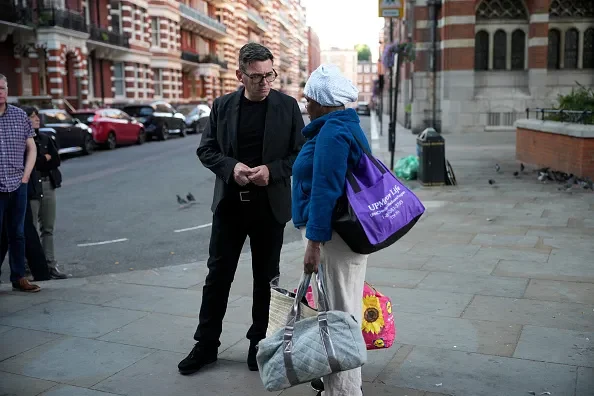
In Andy Burnham’s first speech outside Number 10, ending rough sleeping and homelessness was set out as an immediate priority. The UK’s newest PM pledged to build more council homes and end rough sleeping.
YouGov CharityIndex data tracks whether consideration of donating to housing and homelessness charity Shelter has shifted since Burnham’s announcement, based on Britons who say they would be likely to donate £1 if asked tomorrow.
Millennials record the largest rise in Shelter consideration since Burnham’s speech
Looking across generations, Millennials stand out for recording the largest increase in consideration of donating to Shelter between Burnham’s speech on 20 July and today (14 September). Their Consideration score rose by six percentage points over this period, from 19% to 26%. By comparison, the score increased by four points among Gen X (24% to 27%) and by one point among Baby Boomers and older (21% to 22%). It fell by six points among Gen Z (15% to 12%).
At the beginning of June, Shelter’s Consideration score among Millennials stood at 17%, around four points below the 20% recorded among UK adults overall. By 20 July, the day Burnham delivered his first speech as prime minister, the gap had narrowed considerably: consideration among Millennials stood at 19%, compared with 21% nationally.
From the beginning of September, consideration among Millennials climbed sharply. By 14 September, it had reached 26% – its highest point over the period shown – compared with 23% among UK adults overall.
Shelter consideration among Labour voters rises following Burnham’s rough sleeping pledge
Burnham’s position as Labour leader also makes Labour voters a relevant group to examine.
At the beginning of June, Shelter’s Consideration score was already higher among Britons who voted Labour at the 2024 general election than nationally, at 26% compared with 20% among UK adults overall. By 20 July, when Burnham used his first speech as prime minister to pledge to end rough sleeping, consideration stood at 25% among Labour voters and 21% nationally.
The Labour voter score then climbed sharply. It reached 31% by 2 August and remained around 30% for much of the first half of the month, reaching a high of 31% on 13 and 14 August. Over the same period, the national score stayed broadly around 21%. By 14 September, the score stood at 30% – five points higher than on the day of Burnham’s speech. The national score rose more modestly over the same period, from 21% to 23%.
As a result, the gap between Labour voters and UK adults overall widened from around four points on 20 July to around eight points by 14 September.
Methodology:
Consideration: If they asked tomorrow, which of the following charities would you be likely to donate £1 to?
Charity: Shelter
Timeline: 1 June - 14 September 2026
Moving average: 4 weeks
Image credit: Getty Images