
Independents broke nearly two-to-one for Democratic candidates in Tuesday's House elections and a sizable minority of Republicans didn't vote, according to an Economist / YouGov Poll conducted in the aftermath of the Democratic Party's landslide congressional victory.
Among registered voters who say they voted in this month's elections, this poll finds Democratic candidates for the House beating Republican candidates by 11 percentage points (52% vs. 41%).
Democratic candidates beat Republican candidates within many different demographic groups. Restricting to those in each group who voted in 2026, Democrats beat Republicans among 18- to 29-year-olds (56% vs. 30%), 30- to 44-year-olds (59% vs. 33%), 45- to 64-year-olds (48% vs. 45%), and those 65 and older (50% vs. 45%).
Voters without a college degree were split (46% vs. 46%) while Democrats won by a nearly two-to-one margin among college graduates (60% vs. 34%). White voters split (46% vs. 47%), while most Hispanic voters picked Democratic candidates (59% vs. 32%), as did almost all Black voters (82% vs. 10%). Among white voters, a majority of those without college degrees voted Republican (37% voting for Democrats and 55% for Republicans), while a majority of those with college degrees voted Democratic (57% vs. 38%).
Married voters were evenly split (47% vs. 48%), while Democrats won a majority of non-married voters (57% vs. 34%).
Among all registered voters, 39% voted for Democratic candidates, 30% for Republican candidates, and 30% did not vote.
78% of Democratic registered voters say they voted for Democratic candidates, compared to the 64% of Republican registered voters who say they voted for Republican candidates. Even Republicans who are MAGA supporters were less likely to have voted for Republican candidates (72%) than Democrats overall were to vote for Democratic candidates. Only 57% of non-MAGA Republicans voted for Republican candidates, while 34% of them didn't vote and 8% voted for Democrats.
A larger share of Kamala Harris voters voted for Democrats (80%) than the share of Trump's 2024 voters who voted for Republicans (65%).
Trump's strongest supporters — the 17% of registered voters who say they strongly approve of how Trump is handling his job as president — turned out for Trump's party, with 74% of them voting for Republican candidates, compared to a mere 2% who voted for Democrats and 22% who didn't vote. But this group is dwarfed by the 50% of registered voters who strongly disapprove of Trump, most of whom (70%) voted for Democratic candidates.
Among the 19% of registered voters who somewhat approve of Trump, 58% voted for Republican candidates and 37% didn't vote. Abstention was even higher among the 11% of registered voters who somewhat disapprove of Trump: 40% of this majority-Republican group voted for Republican candidates, while 44% didn't vote.
Trump repeatedly told his supporters to "pretend I'm on the ballot." But it is Democratic voters, not Republican voters, who are most likely to say Trump was a reason for their vote. 82% of those who voted for Democratic House candidates say one reason for their vote was to express opposition to Trump, and only 17% of them say Trump wasn't a factor in their vote. Among those who voted for Republican House candidates, only 34% say expressing support for Trump was a reason for their vote, while 63% say Trump wasn't a factor in their votes.
Even among voters who say they're very conservative, more say Trump wasn't a factor in their votes (54%) than say they voted to express support for him (42%).
Most registered voters say gerrymandering in U.S. elections is either a very serious problem (40%) or a somewhat serious problem (32%). Voters for Democratic candidates are more likely than are Republican House voters to say gerrymandering is a somewhat or very serious problem, but majorities of both groups say so (83% vs. 67%).
Other potential election problems are seen as serious by smaller shares. 62% say foreign interference is a somewhat or very serious problem in U.S. elections, including 62% of Democratic House voters and 68% of Republican House voters.
Majorities of Republican House voters say voting by non-citizens and fraud in mail-in voting are at least somewhat serious problems (82% and 77% respectively), but few Democratic House voters say the same (14% and 15%).
Despite these concerns, 65% of registered voters say votes in the 2026 midterms were counted accurately, and only 14% say they weren't.
After the sweeping Democratic victories, some Democrats and Republicans have reassessed the direction of the country. Majorities of Republicans have said the U.S. is headed in the right direction since the start of Trump's second term, but after the midterm elections only 33% of Republicans say this, while 54% say the country is now off on the wrong track (a net of -21). Democrats have almost all said the country is off on the wrong track since Trump retook the presidency, but after the election 17% now say the country is headed in the right direction. That's up from 5% in the last Economist / YouGov Poll before the election, while the share of Democrats who say the country is off on the wrong track has dropped to 75% from 92%.
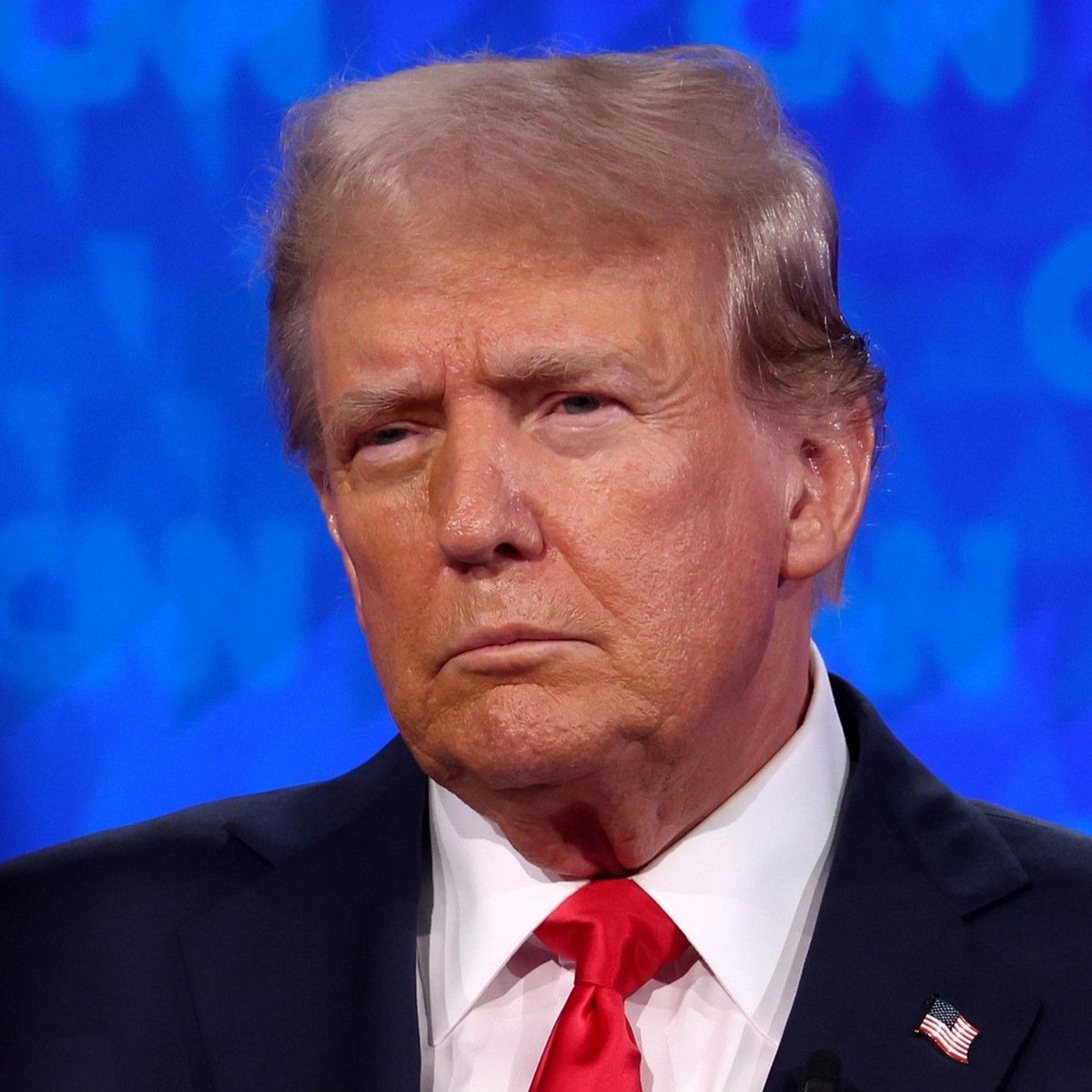
Image: Getty (Chip Somodevilla / Staff)
What do you really think about President Trump, American politics in general, and everything else? Share your reality, join the YouGov panel, and get paid to share your thoughts. Sign up here.