



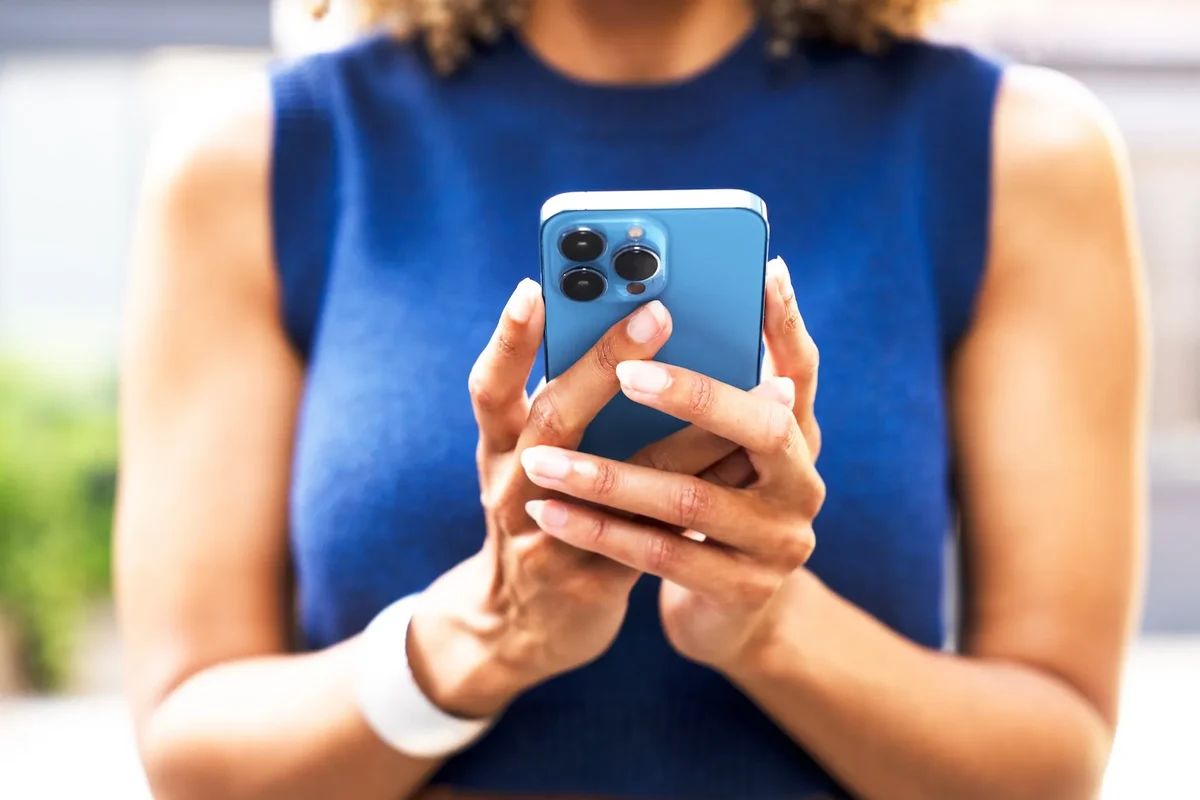
We’re approaching the time of year when Apple usually reveals the newest entries in its smartphone lineup. The iPhone 18 rumour mill is already grinding, with reports reportedly highlighting new colours, camera upgrades, and more. But what differentiates iPhone users from those who favour other devices – and how can marketers and advertisers reach them?
Using YouGov Profiles data, we can explore this audience. The Singaporean market, where Apple has recently invested in a $250m campus expansion, may be a revealing case study.
How do Singapore’s iPhone users use their mobile phones?
Firstly, it may be useful to explore how this audience uses their devices. Our data shows some areas of alignment between iPhone users and non-iPhone users: for example, the same proportion of both groups send and receive text messages on a daily basis (77%).
But iPhone users in Singapore have a greater predisposition for chatting (75% vs. 67%), and photography (72% vs. 67%). The same is true for casual browsing (67% vs. 62%), shopping (60% vs. 54%), and listening to music (57% vs. 49%). This group are also more likely to send multimedia messages (56% vs. 51%), and to use their phones to pay bills (55% vs. 47%), for general finance and banking (53% vs. 43%), or for visiting social networks (52% vs. 44%).
So, we can say this is a group that is more engaged in certain areas, and this information may be useful for advertisers.
How do iPhone users’ attitudes to marketing and advertising differ from others?
Much, of course, may depend on the ads themselves.
Looking at attitudinal data, we can see some variance between iPhone users and non-iPhone users. One key difference: they’re much more willing to skip ads (75% vs. 65%), and much more likely to worry about the time they spent on social media (62% vs. 54%). They’re also a little more likely to find advertising annoying (54% vs. 50%).
This isn’t to say they’re entirely cynical about advertising and marketing; they are perhaps simply more discerning. Singapore’s iPhone users are keener on ads with celebrities (33% vs. 22%) than non-iPhone users, for example. While Apple has had a longstanding policy of avoiding famous brand ambassadors, the brand has partnered with stars such as Dua Lipa for recent iPhone rollouts.
If they’re more receptive to celebrities, they are also more receptive to ads emphasising “real-looking” people (52% vs. 47%) and are keener for brands to express how they feel on certain topics (54% vs. 45%). And if they’re more likely to skip through digital ads, they are also more likely to notice ads out of home: 24% vs. 20% enjoy watching ads at the cinema; 46% vs. 39% say they notice billboards with dynamic advertising; and 53% vs. 46% say they notice ads at the airport. Third-party developers for iOS may benefit from this audience’s more open attitude to technology, which they are more likely to see as a life enhancer (69% vs. 63%).
Singaporean iPhone users, then, paint a complicated picture: more frustrated by ads, but also more engaged with them. Marketers targeting these consumers may find them a lucrative audience – if they can create campaigns that appeal to their specific tastes.
Methodology
YouGov Profiles is based on continuously collected data through rolling surveys, rather than a single limited questionnaire. Figures are drawn from responses collected between November 2024 and November 2025, using a 52-week dataset updated weekly. Data for Singapore is nationally representative and includes race in weighting.