


Business challenge
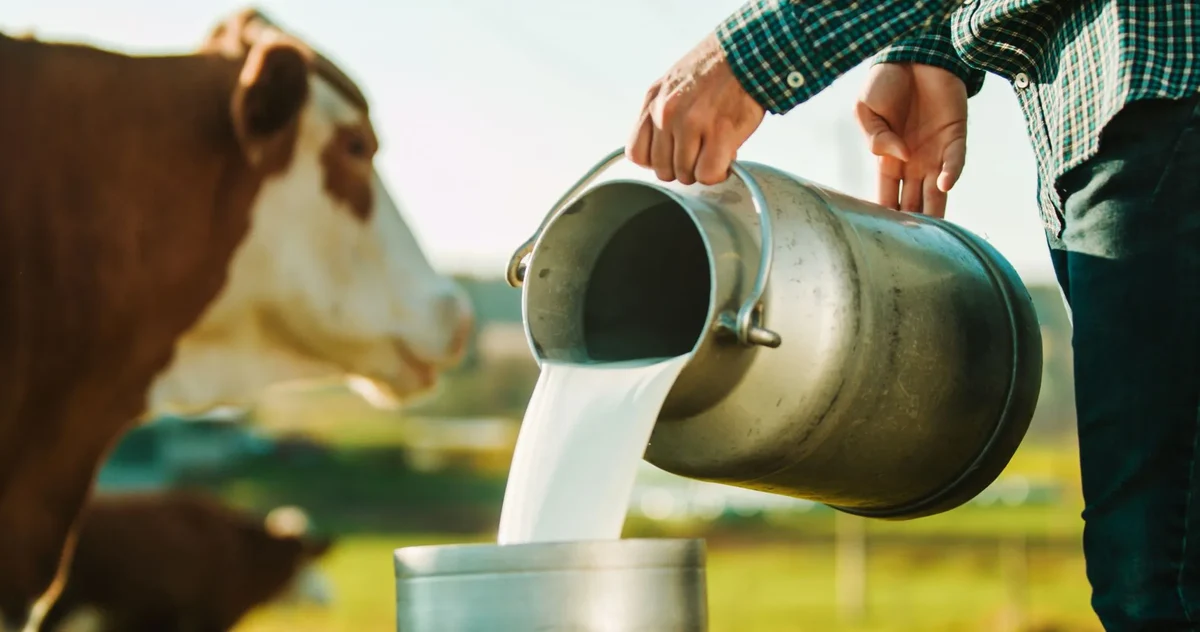
Milk is a highly penetrated and frequently purchased grocery category. Yet despite its established role in consumers’ everyday routines, category volumes are gradually declining as households buy and consume less over time.
FrieslandCampina, one of the largest dairy cooperatives in the world, identified a central challenge: the “routine trap.” Milk is a habitual purchase, but category management has also become habitual. Reliance on familiar promotions and product-led segmentation risked increasing price pressure, limiting innovation, and leaving potential growth opportunities untapped.
Solution & Research results
FrieslandCampina used YouGov Shopper insights to build a shopper-centric roadmap to turn around category decline. The analysis explored the missions bringing shoppers to the category, the triggers and barriers influencing their decisions, and the segments offering the strongest growth potential. YouGov Purchase Affinity Map then helped translate these findings into opportunities across assortment, shelf execution, and innovation.
The research revealed four important opportunities:
- Different shopping missions create different growth opportunities: Stock-up and bulk-shopping missions played a particularly important role in driving category value.
- Format preferences reflect different shopper needs: Purchase triggers and barriers influenced shoppers’ preferences for packs and bottles.
- Shopper behavior should shape category segmentation: White milk was driven mainly by functional considerations such as fat content and price, while flavored milk was more brand- and occasion-led.
- The shelf should simplify decision-making: Clear navigation around pack format, fat content, price tier, and brand could help shoppers make choices more easily.
FrieslandCampina translated these findings into a connected set of category-growth initiatives spanning assortment, shelf design, promotions, and innovation. By aligning decisions across the shopper journey, the company aimed to make the category easier to navigate and more relevant to different shopping and consumption occasions.
Business outcome / impact
By shifting the focus from individual products to shopping and consumption occasions, FrieslandCampina translated shopper insight into a more relevant category and shelf strategy. Following the initiative, the number of buyers choosing its flagship brand Campina increased by 14.4%.
Campina is now purchased by four in 10 households, while shopper preference for the brand increased at an even faster rate. These gains helped strengthen Campina’s category position and place it among the market’s top 3 dairy brands.

Milk is a routine category, but routine alone does not drive growth. By using YouGov Shopper panel data to understand shopping missions, triggers and barriers, we were able to translate insights into clearer shelf and activation decisions. Shifting the focus from products to occasions helped us make everyday moments such as breakfast, cooking, and on-the-go consumption easier for shoppers to navigate